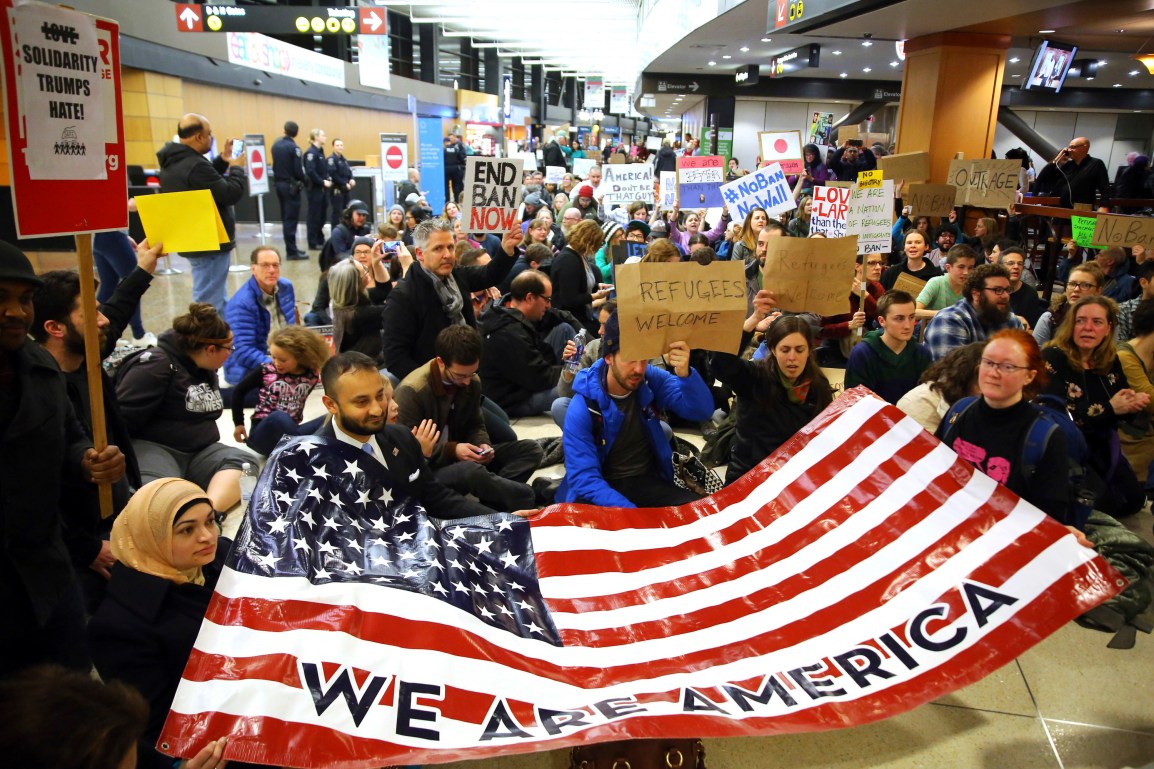
The Daniel Society Statement on President Trump’s Ban on Refugees

Our country is facing a national identity crisis.  In only one week, we have seen our country divided in ways that many of us have never seen.  At this historical crossroad, we are questioning who we are as a country and the values that make our country exceptional.  One of those values is our belief that all men are created equal, regardless of their ethnicity or religion.

Executive orders signed by President Donald Trump during his first week in the White House call into question our value of equality.  These orders severely target immigrants living and working in our neighborhoods and refugees fleeing persecution and war.  

The Daniel Society stands with immigrants and refugees.  We welcome immigrants and choose to love our neighbors.  Our neighbors are immigrants and we are immigrants. 
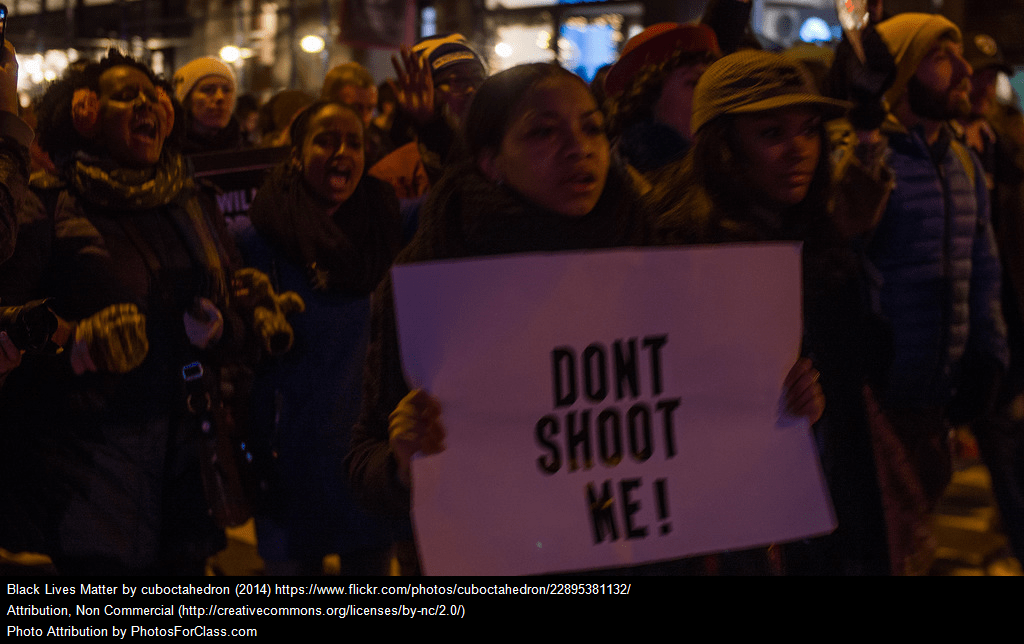
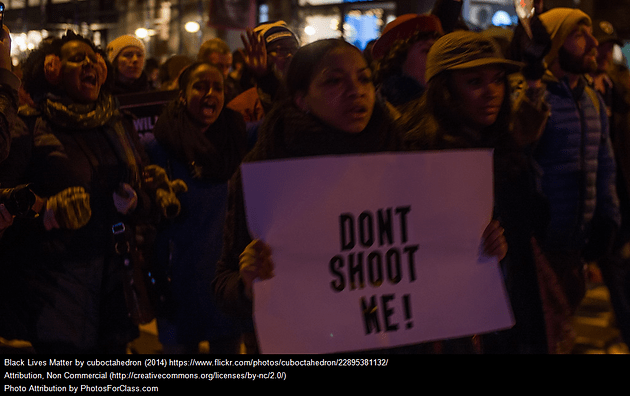
(Photo credit: Genna Martin / seattlepi.com/AP)

Over the coming months, The Daniel Society’s Center for Law and Justice will take steps to support immigrants and refugees, including:

  • Providing free neighborhood-based immigration legal services to low-income immigrants

  • Expanding our Central America Asylum Project to represent more children who fled persecution in Central America

  • Hosting community workshops that educate immigrants about their Constitutional rights

  • Facilitating roundtable “talks” with immigrants to create action plans for policymakers 

However, we cannot do this work alone.  We urge you to get involved with us or other organizations that are working to strengthen immigrant communities. Let’s send a message that America still is, and always will be, a welcoming country.

Download our statement here. To learn more about our work and progress, visit us at http://www.danielsociety.org/law-justice-initiatives.
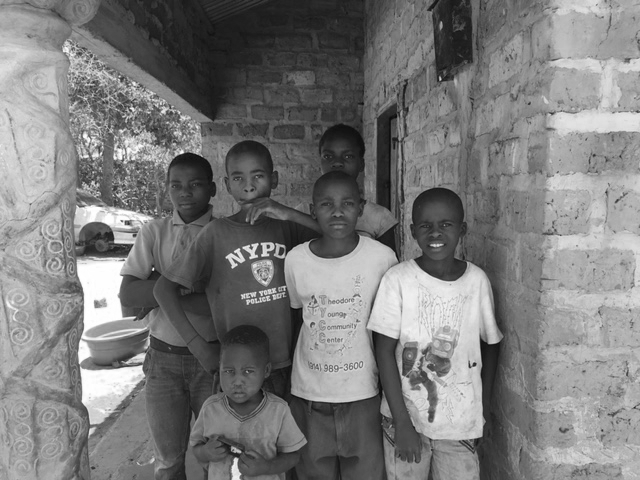
 

Sub-Saharan Adolescents Are Left Behind in the Fight Against HIV/AIDS

The reality is alarming—as global HIV-related deaths have declined among children and adults, adolescent deaths have increased. Approximately 1.8 million adolescents (between the ages of 10 and 19) are living with HIV/AIDS, 80% (1.4 million) of them live in Sub-Saharan Africa. This is a 28% increase since 2005. The stark reality is that adolescent HIV rates are projected to continue increasing because of population growth and stalled efforts to combat the spread of the disease.

In Zambia, adolescents face unique challenges when it comes to HIV/AIDS.  Many young people are not accessing the services they need because youth-friendly HIV services are not widely available. Testing is also not widely practiced by adolescents; fewer than 30% of them have been tested for HIV. Additional barriers are related to their access to education and health services. For example, adolescent HIV/AIDS services are combined with adult ones.  Adolescents are often too shy to show up at health clinics on days when adults are also on site to receive services.  For those who do show up at the health clinics, they end up missing a school day.  As a result, the number of adolescents receiving treatment has decreased.  There is also a lack of youth counselors and spaces in health facilities.   

Additional barriers to accessing HIV services and other services include relational and individual factors. Relational factors, such as the attitude of family and peers, serves as a determining factor in getting tested for HIV. Adolescents with high levels of social support from friends, including the ability to discuss whether or not to get tested, were more likely to obtain HIV services. The same is true of adolescents who discussed services with family and their sexual partners.

Even when adolescents are receiving antiretroviral treatment, they face barriers for treatment retention and adherence. One of the most significant barrier is fear of disclosure. Both adolescents and their families believe that one’s HIV status should be kept and treated within the home. This corresponds with reports of adolescents taking and keeping their medication in their homes to avoid being exposed as HIV positive. Social events in school and extracurricular activities tend to interfere with dosing time and results in missed medications. Adolescents also delay taking their medication for hours until they returned home or even missing their dose for the day because they slept over at a friend’s house and did not bring it because of their fear of exposure. 

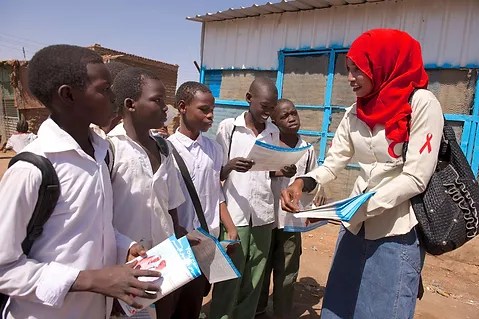
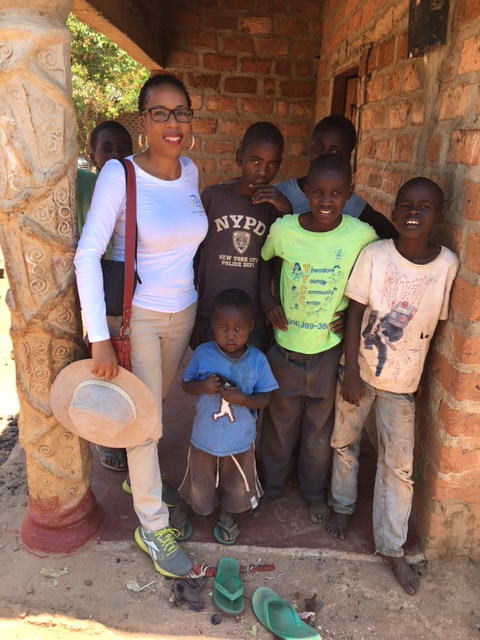
(Photo: UNICEF/SUDA2014-XX166/Noorani) 

 Zambia has undertaken initiatives to address this gap in services, stigma, and other barriers. To reduce the fear of discrimination for having or being suspected of having HIV, Zambia has started a program that provides free, confidential information to adolescents about HIV. Locate services and nearby clinics were also established. Additionally, a mentorship and support program led by other HIV-positive peers was also implemented. While there is still much work that needs to be done, Zambia has taken good steps to provide youth-friendly HIV services.


Together, We Can Do Great Things For Others in 2017!

15 years ago when I had an idea to start an organization to help the poor, I never imagined that it would become “The Daniel Society,” a 501(c)(3) organization that brings hope, healing and purpose to people living in extreme poverty.  We have made tremendous progress over the past several months to advance our mission.  Looking ahead, 2017 promises to be an even more important and exciting year for us because our work will launch in regions like Sub-Saharan Africa and low-income communities in the U.S. that are grappling with injustice.

“Healing” is our second mandate.  Our Center for Global Initiatives (CGI) is designing a Rural HIV/AIDS Children’s Initiative to provide lifesaving treatment and ongoing medical monitoring to vulnerable children living in the impoverished Western Province of Zambia. We are also establishing The Daniel Society Global Health Fund to raise funds and awareness for this initiative.

Helping people understand a greater “purpose” for their life is our third mandate.  CGI will launch The Daniel Society Women’s Economic Development Club of Lusoke Village in 2017. This project will promote the economic well-being of women and families living in extreme poverty in Zambia. We are also developing a rural poverty initiative for implementation in other regions like China.

In the U.S., our Center for Law and Justice (CLJ) is working on exciting neighborhood-based initiatives to confront injustice in New York.  In 2017, our Central American Asylum Project will help more children fleeing gang violence by providing pro bono legal representation.  We will launch our Advocacy and Civic Engagement work to address justice and immigration concerns facing our country. This work will advocate for fair and compassionate policies impacting low-income communities.  To be most effective, we will collaborate with people, organizations and governments.  

In 2017, we plan to grow our operations by hiring staff, expanding our donor base and diversifying our resources.  My team and I are excited about using our passion to fuel our work, end global poverty and restore justice in communities facing inequalities.  I invite you to join our Society today by giving a tax deductive gift in any amount or give $20.00 each month.  

Together, we can do great things for others in 2017!

The Daniel Society’s Collaborative Hope Building Model

The Daniel Society is confronting extreme poverty on a global level.  We do this work because we believe all lives have value, purpose and potential.  Our Center for Global Initiatives is designing poverty reduction projects in Sub-Saharan Africa to lift people out of extreme poverty.  We will apply our 7-Step Collaborative Hope Building model to empower people and bring hope, healing and purpose to communities.

To learn more about each step, please read our complete Collaborative Hope Building model.

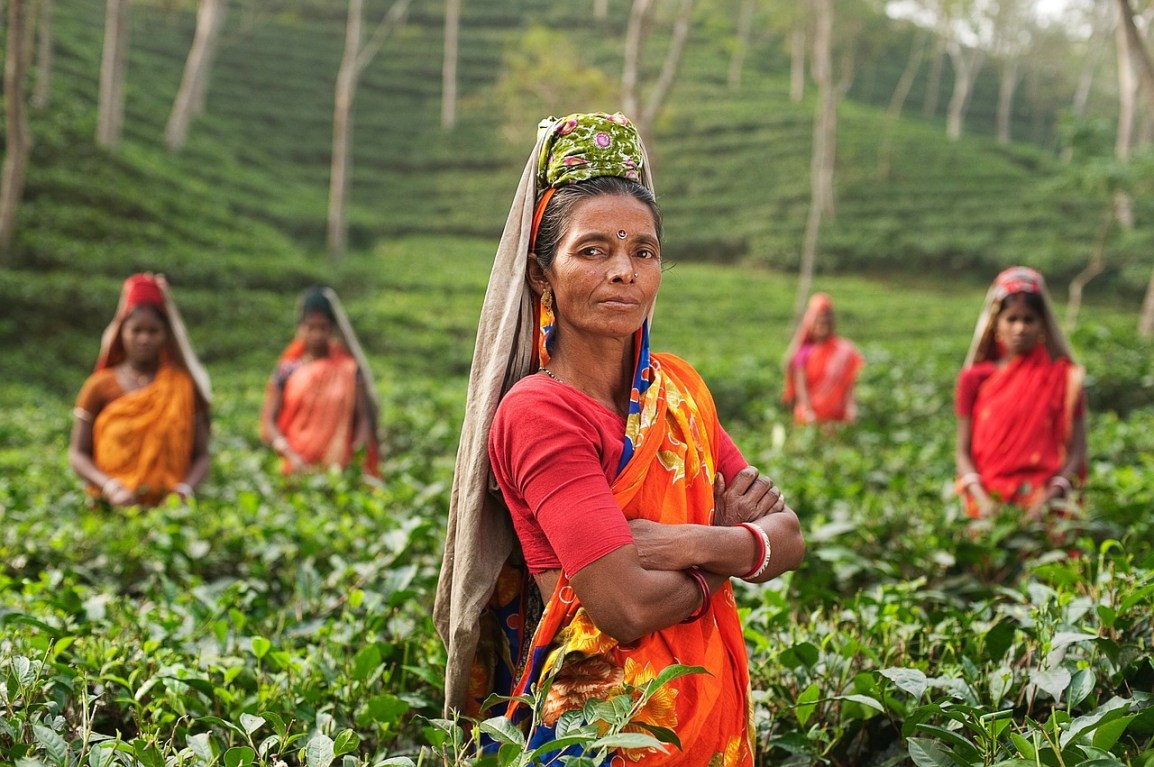
Women’s Role in India’s Economy


A member of the so-called “BRICS” countries, India is noted for its rapidly expanding economy. Though India has certainly grown more prosperous in the recent decades, some groups have benefited from this boom more than others. In particular, women have faced a range of structural and social barriers in fully participating in the Indian economy, which not only hinders their individual agency but also limits India’s ability to continue to modernize.

Gender discrimination begins at a young age. Girls face a range of structural barriers that contribute to unequal educational and economic performance: for example, only 53% of schools have sanitary facilities for girls. Further, the threat of gender-based violence discourages girls and women from leaving their homes and is used by some parents to justify marrying off daughters before the legal age of 18; however, marriage provides girls little protection from violence—over 50% of both male and female adolescents justify wife beating, and 6 in 10 men admit physically abusing their wives. There are numerous instances of rapes and sexual assaults on girls and young women across the country, most notably the gang rape and subsequent death of a physiotherapy student in Delhi in 2012 that spawned nationwide protests and the BBC documentary India’s Daughter.

These factors contribute to women’s limited economic participation in adulthood. Women produce merely 17% of India’s economic output in terms of GDP contribution; however, Indian women spend almost 10 times as many hours as men engaging in unpaid care labor, which, while work, is not factored into conventional economic metrics.

 In 2010, only 40% of women aged 25-54 were economically active (defined as either employed or actively seeking employment). Between 2005 and 2010, women’s workforce participation fell from 42% to 32%. In this period, India lost 3.7 million manufacturing jobs, 80% of which were filled by women. India’s decline in women’s workforce participation may also be explained by the country’s shrinking agricultural sector and may be felt most sharply among poor, uneducated women living in rural areas, who have few other economic opportunities. Indeed, 85% of rural women who work are in the agricultural sector. Since 2005, non-farm job opportunities have expanded only in urban areas.

Paradoxically, women’s labor force participation rates are lower in urban areas: merely 15% of women in Indian cities have jobs, approximately half of the rate of rural women.

India has undertaken a range of initiatives to promote women’s rights. In order to provide protection to women who work, the Indian government offers new mothers three months of paid maternity leave and guarantees job protection during this time, although a survey of married working women in Delhi revealed that fewer than a third of respondents continued working after giving birth. 

Additionally, over 12,000 Indian schools have implemented gender education programming in order to address misogynistic attitudes. Early reports on the program suggest individual level change, though it remains to be seen whether this curriculum will lead to broader social change. It is clear more work must be done to empower women and girls in India to fully realize their potential.