
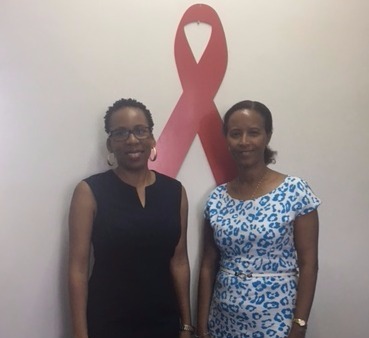
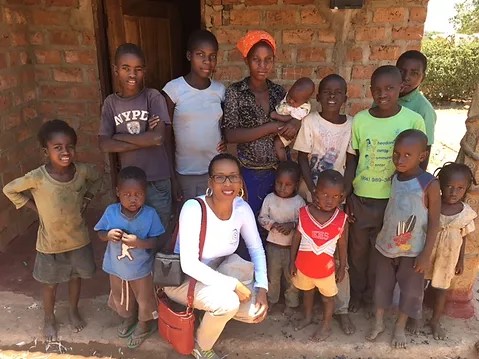
Earlier this month, the Center for Global Initiatives held a number of meetings in Lusaka, Zambia to discuss ideas for a global health initiative targeting people living in extreme poverty. Our founder and president, La Toya McBean, met with local government officials, UNAIDS, research institutions, prison officials, religious leaders and families living in extreme poverty, to discuss efforts addressing the prevalence and treatment of HIV/AIDS.
HIV/AIDS-related deaths in Zambia have declined significantly, thanks to support from the United States and other countries. During one meeting, a policymaker said “people aren’t really dying from HIV/AIDS at the same rate as before.”
On the village level, most people who are living with the disease in one high-rate village are living normal lives because they are taking antiretroviral medication and visiting the community clinic regularly for treatment. They are also no longer afraid to talk about HIV/AIDS, which signals progress in efforts to address the cultural stigma attached to the disease. Church leadership associations are also helping to combat the stigma by educating pastors and congregations about the disease.
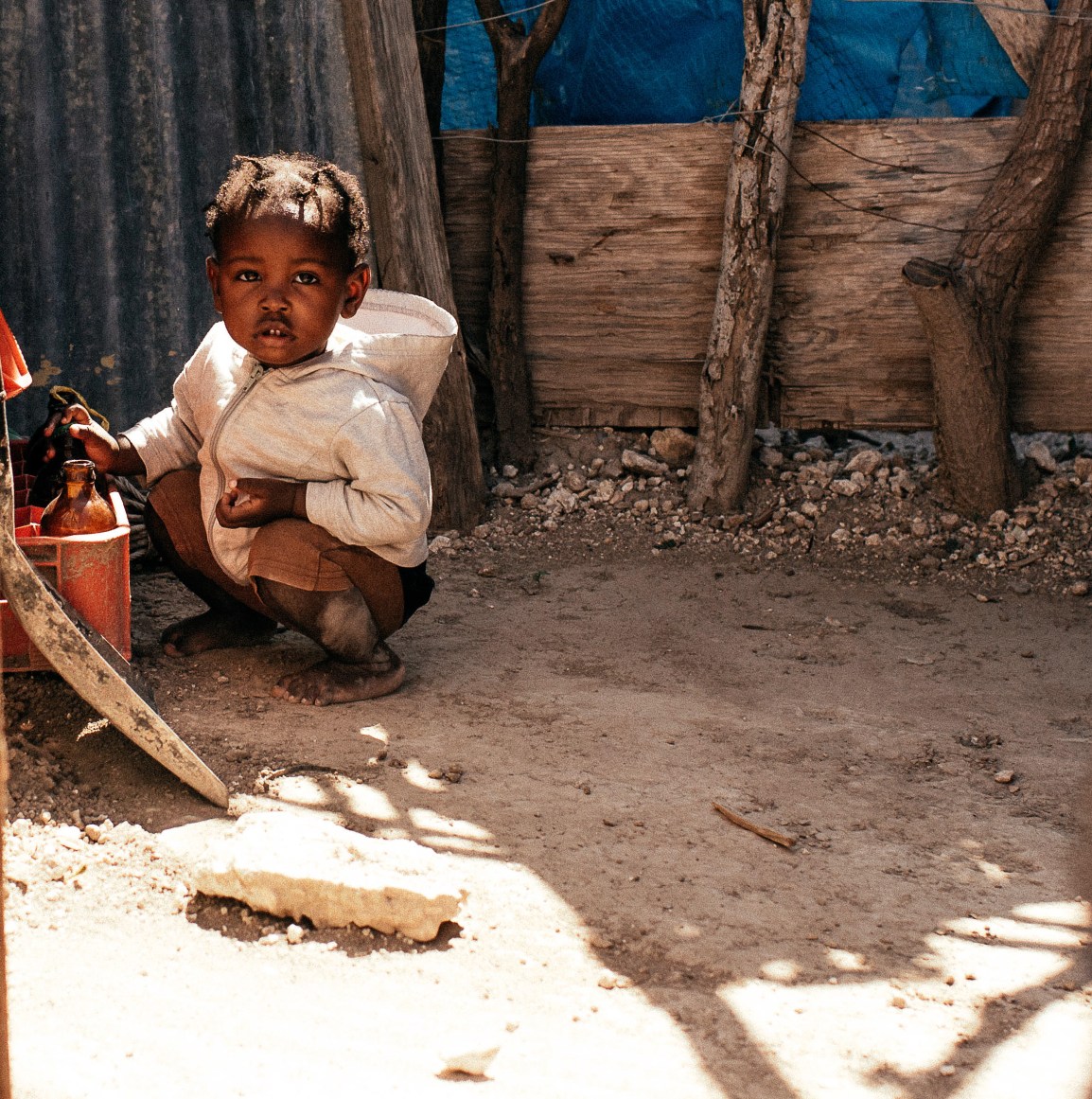
However, despite such good progress, we learned that less than 50% of children with HIV/AIDS are actually receiving treatment. Children living in impoverished rural villages in the Western Province are particularly vulnerable and in need of lifesaving treatment. In addition, child marriages and sexual assaults upon children contribute to the spread of the disease among children. This is an alarming crisis and a human rights issue that must be addressed immediately.
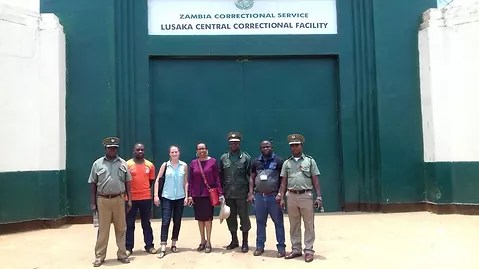
Further, with the help of Ubumi Prison Initiatives, we toured two prisons to learn more about the prevalence of HIV/AIDS in prisons. We visited and met with officials at the Kabwe Maximum Security Prison and Lusaka Central Prison. The deplorable conditions from massive overcrowding is a significant problem in Zambian prisons. Such unbearable conditions foster an environment for the spread of the disease. Youthful offenders are also at risk of contracting the disease when housed in the same cells as the adult population.
We also met with families living in extreme poverty to get their ideas about entrepreneurial projects to lift them out of poverty. We learned that in certain villages, there is a dearth of resources to combat extreme poverty. For example, in Lusoke Village of Chongwe District, many women and youth have no income or opportunities to move them forward in life.
What The Daniel Society Will Do
First, to address the pressing need and gaps in providing treatment to children living with HIV/AIDS in the impoverished Western Province, the Center for Global Initiatives will form a collaborative to launch a Rural HIV/AIDS Children’s Initiative. Over the next few months, we will work with our Advisory Board, research team and various Zambian agencies and organizations to analyze HIV/AIDS data and the severity of the treatment gap based on geography in the Western Province. In early spring, we will host a stakeholders meeting in Lusaka to discuss the components and goals of the initiative. To learn more about this project, visit us at www.danielsociety.org/women-economic-development-club.
Second, the Center for Global Initiatives will develop The Daniel Society Women’s Economic Development Club of Lusoke Village to promote the economic well-being of women and families living in extreme poverty. The Club will provide micro-loans to women for entrepreneurial pursuits and a savings plan to secure their children’s educational future. To learn more about this project, visit us at www.danielsociety.org/hiv-aids-children-initiative.
Third, the Center for Global Initiatives will continue to have discussions with prison officials about addressing the massive overcrowding and HIV/AIDS prevalence in prisons. We will also explore areas of research to help prison officials tackle the rate of HIV/AIDS transmission and prevalence in prisons.


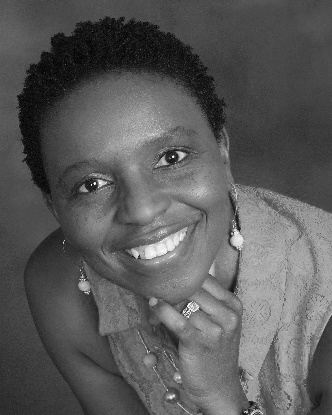
 Dr. Towera Loper is an adviser to the Center for Global Initiatives. She is a speaker, life coach, author, licensed minister and guest writer for the Christian Broadcasting Network’s spiritual life section. A native of Zambia, she came to the United States to pursue her education, obtaining a Bachelor of Arts degree from Northpoint Bible College in Haverhill, Mass., and a Master of Divinity and a Doctor of Ministry from Regent University in Virginia. She served as the director of Strategic Outreach Ministries for a mega church where she organized, trained and led teams to Bosnia, Dominican Republic, Haiti, Tanzania and Uganda.
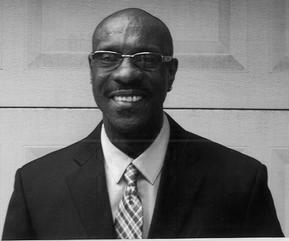 Herbert Murray is an adviser to the Center for Law and Justice. He is a native New Yorker and author. After serving 29 years in prison for a wrongful conviction, he has worked for the Times Square Alliance where he cleans and maintains the Times Square area. While in prison, Murray earned his GED and graduated from Ulster Community College in New York with an Associate’s degree in Liberal Arts. He was a model prisoner, served as director of a youth assistance program, worked as a teacher’s aide and received numerous certificates of appreciation. Murray’s book, Standing Tall in Times Square, describes how he struggled to navigate the complex legal system and learned to survive and remain positive while in prison.
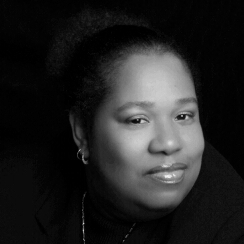 Debbie-Ann Paige, BS, BA, MA, is an adviser to the Center for Law and Justice. She is a public historian specializing in local African American history. Paige has worked on numerous local history projects, including “In Pursuit of Freedom” with the Brooklyn Historical Society; “Farm to City” with the Staten Island Museum; and the “Louis Napoleon House” as a site with the National Park Service Underground Railroad Network to freedom on behalf of the Sandy Ground Historical Society. She facilitates public history forums throughout Staten Island and lectures as an adjunct professor at the College of Staten Island. She is a policy analyst with the Council of State Governments Eastern Regional Conference. Paige has a Bachelor of Science degree in Business Studies from Southern New Hampshire University, and a BA and MA in History from the College of Staten Island, City University of New York.
 Dr. Shauna Tonkin is an adviser to the Center for Global Initiatives. She is the education director at Pacific Aviation Museum Pearl Harbor. For more than 25 years, Tonkin has worked in leadership roles in academic and museum environments. As education director, she oversees museum education programs and curatorial activities, emphasizing creative, engaging, and relevant experiences for visitors of all ages. She has directed successful local and international programs, and serves as a consultant for leadership and organizational development for non-profits. Tonkin has been a Smithsonian Visiting Professional, and a Fulbright Specialist to Ukraine. She holds a Ph.D. and Ed.S. (education specialist) in Leadership, Policy and Planning from the College of William and Mary in Virginia, a Master’s in Educational Leadership from Regent University, and a Bachelor of Education degree from the University of Hawaii-Manoa.
 The Daniel Society