BROOKLYN, N.Y., November 11, 2016—The Daniel Society, a nonprofit organization with a global mission to reduce poverty and confront injustice, has announced five new advisers to its Center for Law and Justice and Center for Global Initiatives. The new advisers to The Daniel Society’s Advisory Board are:
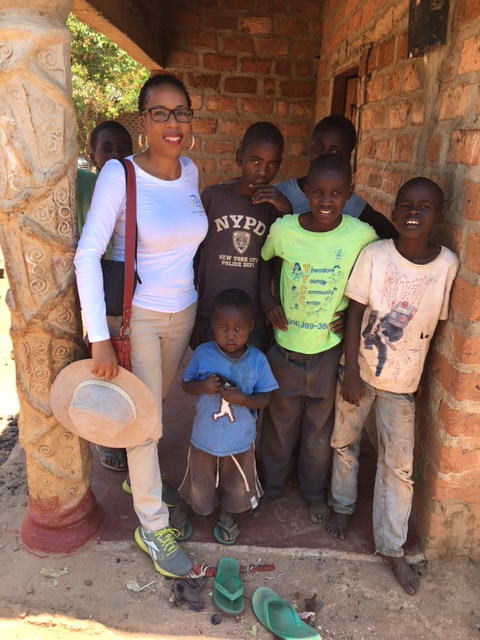
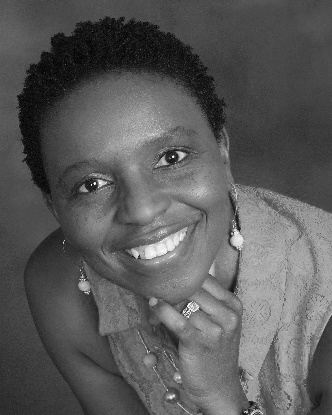
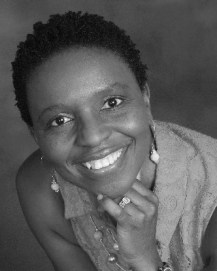 Dr. Towera Loper is an adviser to the Center for Global Initiatives. She is a speaker, life coach, author, licensed minister and guest writer for the Christian Broadcasting Network’s spiritual life section. A native of Zambia, she came to the United States to pursue her education, obtaining a Bachelor of Arts degree from Northpoint Bible College in Haverhill, Mass., and a Master of Divinity and a Doctor of Ministry from Regent University in Virginia. She served as the director of Strategic Outreach Ministries for a mega church where she organized, trained and led teams to Bosnia, Dominican Republic, Haiti, Tanzania and Uganda.
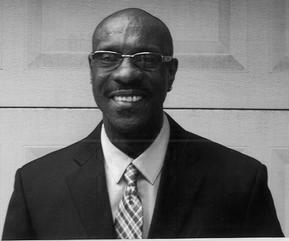 Herbert Murray is an adviser to the Center for Law and Justice. He is a native New Yorker and author. After serving 29 years in prison for a wrongful conviction, he has worked for the Times Square Alliance where he cleans and maintains the Times Square area. While in prison, Murray earned his GED and graduated from Ulster Community College in New York with an Associate’s degree in Liberal Arts. He was a model prisoner, served as director of a youth assistance program, worked as a teacher’s aide and received numerous certificates of appreciation. Murray’s book, Standing Tall in Times Square, describes how he struggled to navigate the complex legal system and learned to survive and remain positive while in prison.
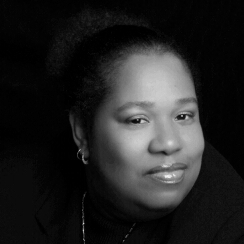 Debbie-Ann Paige, BS, BA, MA, is an adviser to the Center for Law and Justice. She is a public historian specializing in local African American history. Paige has worked on numerous local history projects, including “In Pursuit of Freedom” with the Brooklyn Historical Society; “Farm to City” with the Staten Island Museum; and the “Louis Napoleon House” as a site with the National Park Service Underground Railroad Network to freedom on behalf of the Sandy Ground Historical Society. She facilitates public history forums throughout Staten Island and lectures as an adjunct professor at the College of Staten Island. She is a policy analyst with the Council of State Governments Eastern Regional Conference. Paige has a Bachelor of Science degree in Business Studies from Southern New Hampshire University, and a BA and MA in History from the College of Staten Island, City University of New York.
 Dr. Shauna Tonkin is an adviser to the Center for Global Initiatives. She is the education director at Pacific Aviation Museum Pearl Harbor. For more than 25 years, Tonkin has worked in leadership roles in academic and museum environments. As education director, she oversees museum education programs and curatorial activities, emphasizing creative, engaging, and relevant experiences for visitors of all ages. She has directed successful local and international programs, and serves as a consultant for leadership and organizational development for non-profits. Tonkin has been a Smithsonian Visiting Professional, and a Fulbright Specialist to Ukraine. She holds a Ph.D. and Ed.S. (education specialist) in Leadership, Policy and Planning from the College of William and Mary in Virginia, a Master’s in Educational Leadership from Regent University, and a Bachelor of Education degree from the University of Hawaii-Manoa.

Christy Williams, Esq., is an adviser to the Center for Law and Justice. Williams is a native Liberian and an attorney with years of experience representing foreign nationals in various immigration matters, including removal defense, family-based petitions, as well as self-petitions for survivors of domestic violence. Williams has a strong desire for community service. In 2014, she was awarded the Pangborn Pin for providing pro bono services to low-income clients through Legal Aid Detroit’s Private Attorney Involvement Program. Currently, she works for a non-profit organization where she provides nationwide legal and technical support to advocates who work to address state immigration-related legislation. Williams has Bachelor of Arts degree in Criminal Justice from Metropolitan University, St. Paul, Minnesota and a Juris Doctor degree from Thomas M. Cooley Law School in Michigan.
ABOUT THE DANIEL SOCIETY
The Daniel Society is a not-for-profit organization that is committed to reducing poverty, one family at a time, by smart compassionate and sustainable initiatives that empower people to hope again. The organization applies a Collaborative Hope Building Model to tackle the challenges of poverty on a micro family and neighborhood level. For more information about the Daniel Society, visit www.danielsociety.org.



 The Daniel Society