Center for Global Initiatives’ Grant Announcement

Empower Children Now!

Kaoma Rural Hope Building Projects (Zambia)


October 20, 2017

BROOKLYN, NY – The Daniel Society is pleased to announce its Empower Children Now! grant program under the Rural Children’s Initiative. This grant program will promote the health and well-being of children living with, or at risk of developing, HIV/AIDS in rural villages. The FY2017-2018 grants will be directed to rural hope building projects in Kaoma, Zambia. Sadly, less than 50% of children with HIV/AIDS in Zambia are on lifesaving treatment. For children in rural villages, the problem is even more severe. The Daniel Society is partnering with local NGOs and governments to fight the injustice of global poverty.


ELIGIBILITY 

The Empower Children Now! grants shall be disbursed to qualified non-governmental organizations (NGOs) in Kaoma that are actively engaged in interventions to improve the health and well-being of children living with, or at risk of developing, HIV/AIDS in rural villages. Organizations must meet all of the below requirements:

  1. Registered as a Local or International NGO with the Ministry of Community Development and Social Services (Department of Registrar for NGOs);
  2. Operating for at least three years;
  3. Actively engaged in community-based projects designed to intervene in the lives of children living with, or at risk of developing, HIV/AIDS in rural villages;
  4. Have a dedicated executive director or manager who works full time for the organization; and
  5. Participate on local government and/or NGO coordination committees.

APPLICATION PROCESS

The deadline to apply for the Empower Children Now! grant is December 1, 2017.  Application materials should be submitted via email to grants@danielsociety.org. The following materials are required:

1. Letter of Intent (no longer than 3 pages) – the letter should include the following information:

  • Background of organization including its mission, leadership structure, types of staff positions (paid and unpaid), and location;
  • Current projects;
  • How funds will be used including details about the target population, number of people that will be served, communities/villages targeted, and how the organization will coordinate with local government and the NGO community;
  • Other sources of funding and whether those funds will be leveraged; and
  • How success will be measured

2. Proposed Project Budget (no longer than 1 page)


Approval Timeline

An Award Announcement will be issued by January 31, 2018 to organizations that have been selected by our Center for Global Initiatives’ Grant Committee. However, final approval of these grants shall be made by the Board of Directors at their March 2018 meeting. Funds shall subsequently be disbursed to the organizations for project planning and project implementation. More documentation and information may be requested from the organizations prior to the disbursement.

For more information about our work, visit us at www.danielsociety.org. If you have any questions regarding this grant announcement, contact Ms. Jennell Pascall at jpascall@danielsociety.org.


ABOUT US

The Daniel Society is a 501(c)(3) Brooklyn-based organization that has designed smart and compassionate initiatives to reduce global poverty, fight injustice and empower people to hope again.

Center for Global Initiatives

81 Prospect Street, Brooklyn, NY 11201

718.989.2161 – info@danielsociety.org
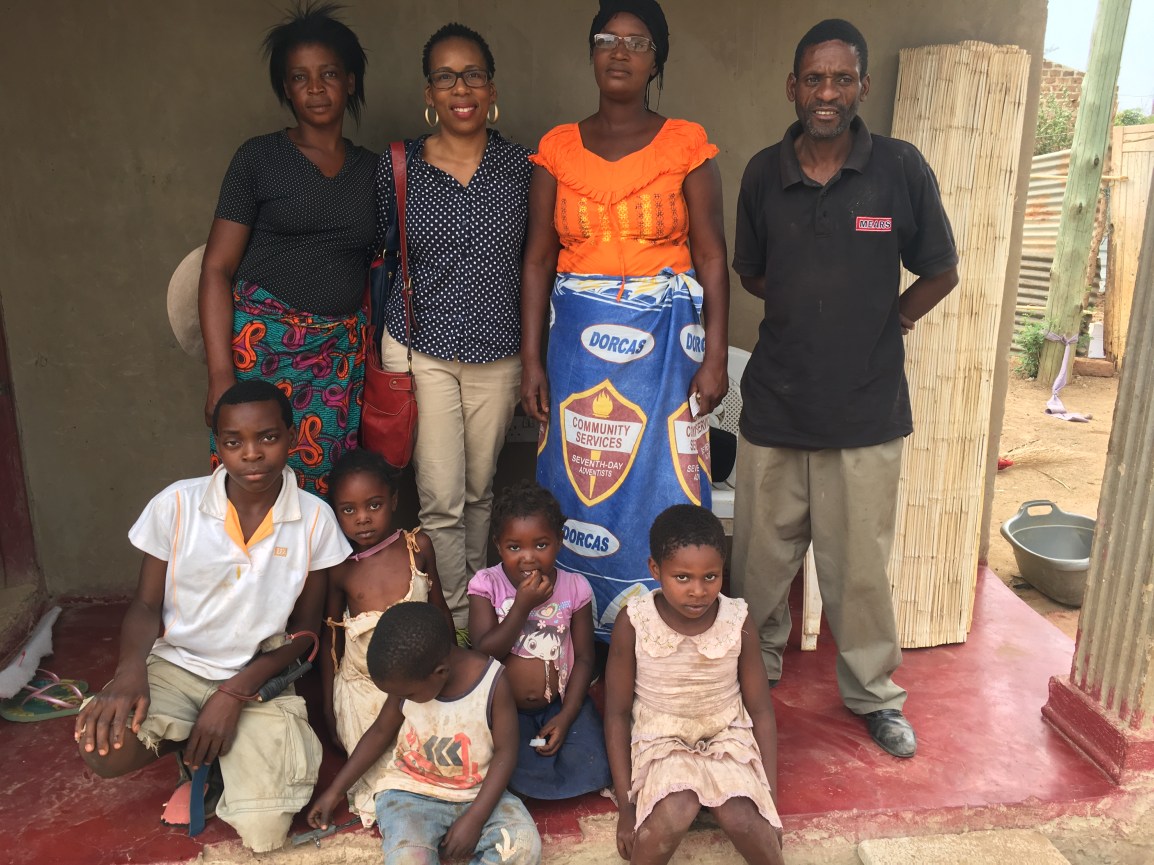
Finding Our Way To Lusoke Village

The idea for a Women’s Economic Development Club in Lusoke Village of Zambia had an unusual start. Society founder and president, La Toya McBean, had a desire to launch a compassionate health project in Zambia in 2005, when the HIV/AIDS epidemic was

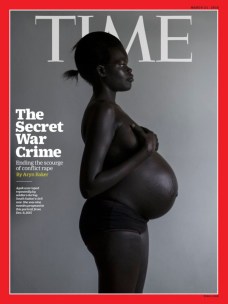
ayak---lynsey-addario--getty-i.jpgravaging Sub-Saharan Africa. However, it was not until March 2016 that she was spurred into action after reading Time magazine’s cover story “The Secret War Crime.”  The story was about conflict rape and the women and children who are victims of this heinous act. The story focuses on a young Sudanese woman, who is nine months pregnant and HIV-positive following repeated attacks. With a goal of providing support and resources to these women and individuals diagnosed with HIV/AIDS, the Society set out to create a global health program.  
It was soon decided that the project would launch in Zambia, which offered a small, stable community to support a new initiative of this kind. In October of 2016, only a few months after the Time article was published, The Daniel Society visited Lusaka on an exploratory mission to understand the prevalence of HIV/AIDS among vulnerable groups of people. During this visit, it became clear that while HIV/AIDS is still very much a problem, the rate of deaths caused by the disease had dropped significantly in Zambia.  However, the problem remains severe in the rural Western Providence, where the prevalence rate is increasing and villages lack access to lifesaving treatment.
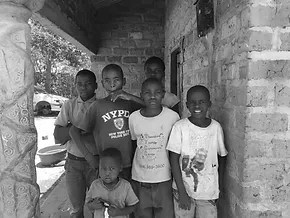
Because the Society could not visit the Western Province during this short trip, they decided to meet with villagers just outside of Lusaka to learn how HIV/AIDS had IMG_3347impacted them. While on their way to a village, the group got lost and ended up in Chongwe, where they were soon directed to a meeting with a local high ranking official. They told him their purpose for the trip and he directed them to the nearby Lusoke Village, where the group met with the village’s Headman and women.
The conversation in Lusoke Village quickly turned to the issues that plague the people daily: poor access to water, high alcoholism among the villagers due to lack of work and activity, and a lack of recreation for their children. They also spoke about the financial challenges facing women and their small businesses. Women lacked the capital to maintain and grow their businesses.  They wanted to start a club that helped women with these financial needs. When the Society asked about how HIV/AIDS was impacting the village, they said the disease is under control in their village because people regularly receive treatment from the nearby clinic.
Ultimately, the idea of the Women’s Economic Development Club was presented by theIMG_3363 villagers themselves. Before the Society stumbled upon Lusoke Village, the people already had a vision and hope for their future. Although the Society’s initial focus was on HIV/AIDS, the people clearly presented their most pressing needs and a possible solution to the Society. Because the Society’s mission is directed by the needs of those it serves, the Society will give the women of Lusoke Village a “lift” or “boost” to realize their vision.
The Daniel Society led the first Club meeting in June of 2017.  The Club’s mission is to promote hope, entrepreneurism and self-sufficiency to women in Lusoke Village. The

IMG_4903Society will provide seed capital for business micro-loans, financial literacy training, and a savings plan for school fees.  Further, the Club will empower its members to become change agents in the village by reinvesting in the Club to sustain its funding level and help lift more families out of extreme poverty. The Society believes that a combination of capital and education will promote self-sufficiency, productivity, and confidence among Club members. Click here to learn more about the Club.
Initiatives such as this one are the result of everyday humanitarians finding creative ways to help those in need. The Lusoke Village project will not cost much to put into action, but it will make a lasting difference in the lives of all its members and their families. As it grows, evolves, and extends to include more members, The Daniel Society will continue collaborating with the people of Lusoke Village to strengthen the project’s model.  We hope you will consider joining our movement and helping to further our cause of empowering women. Click here to make a monthly gift and become a member of The Daniel Society.


First Meeting of The Daniel Society Women’s Economic Development Club of Lusoke Village

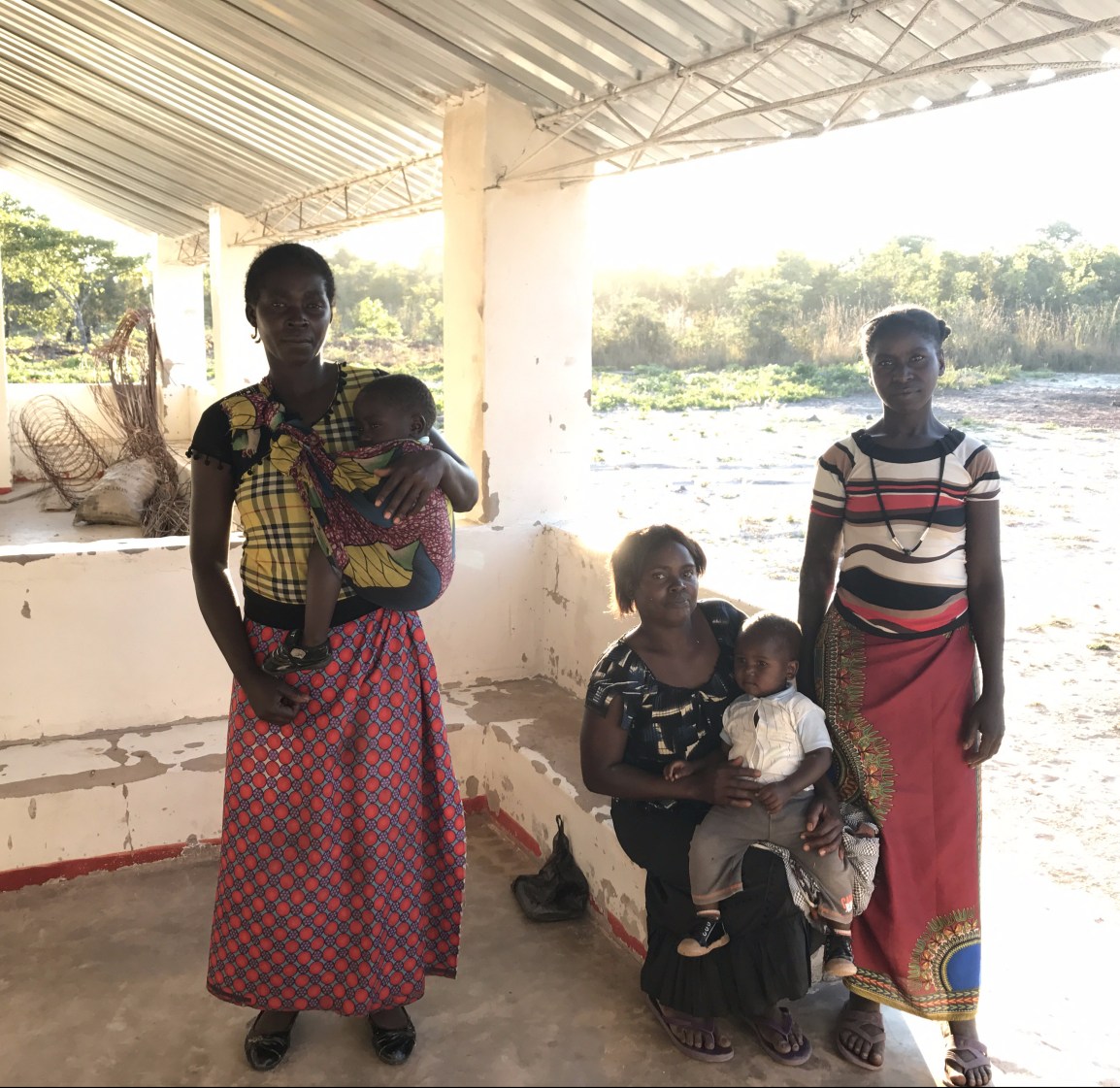
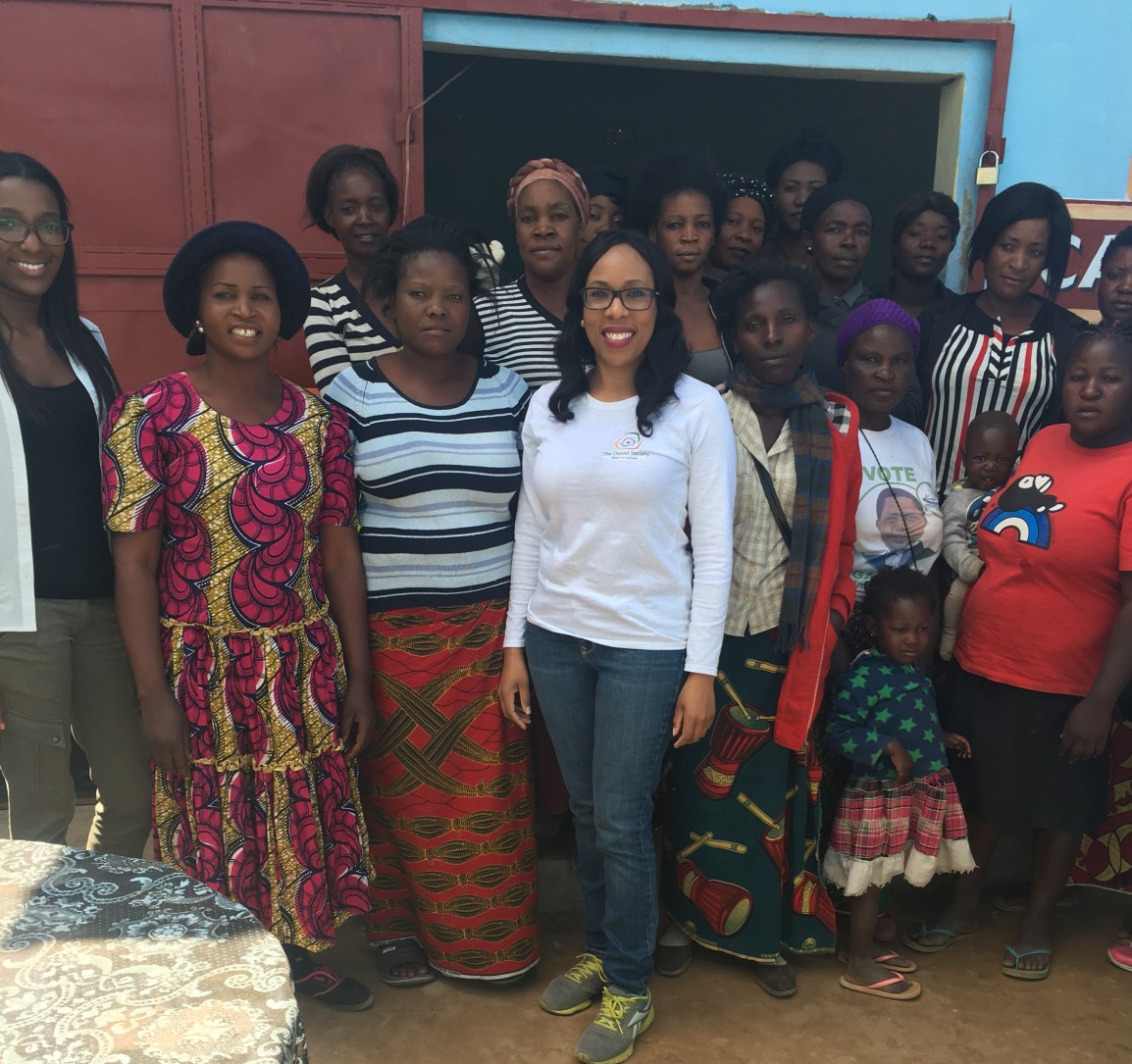
On June 10, 2017, nearly 30 women in Lusoke Village of Chongwe District (Central Province) met with us to learn how The Daniel Society Women’s Economic Development Club can help them start or expand their small business. During this first meeting, the Club appointed its leadership team and agreed on the micro-loan terms, including a savings and reinvestment plan. Stay tuned for more updates about this project’s implementation!

Upcoming Zambia Trip

 The Daniel Society’s everyday humanitarians are doing their part in the global fight against extreme poverty.  Thanks to the generous support of our donors, on June 6, 2017, we will travel to Zambia to lay the groundwork for our Rural HIV/AIDS Children’s Initiative and The Daniel Society Women’s Economic Development Club.  

Sadly, less than 50% of children with HIV/AIDS in Zambia are on lifesaving treatment. For children living in rural villages in the Western Province, the problem is even more severe.  Our project will promote the health and well-being of children living with HIV/AIDS in the Western Province.

For the women of Lusoke Village in the Chongwe District of Lusaka, the cycle of extreme poverty has taken its toll on them and their families. Alcoholism, poor education and diseases are the harsh reality for their children. To break this cycle, The Daniel Society will enroll 20 to 30 women, ages 20 and above, in a Women’s Economic Development Club. The Club will provide micro-loans to women for entrepreneurial ventures and an educational savings plan for their children.

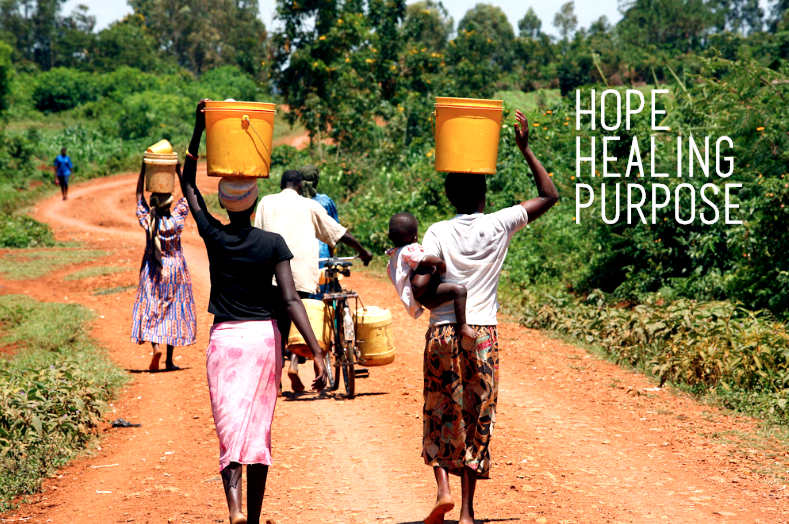
Stay connected with us during our 9-day visit to Zambia by following us on FacebookTwitter, or Instagram. Also, help us bring hope, healing and purpose to people in need by becoming a Society Member today. Make a tax deductible monthly pledge at https://www.danielsociety.org/society-member

Empowering Women and Girls with Hope

Recognizing and realizing the potential of women and girls has a transformative impact on society. Evidence shows that investing in women and girls causes a ripple of positive change in families, communities, and nations. The Daniel Society is committed to empowering women and girls as a means of eradicating poverty and spreading a message of hope.

Women’s economic empowerment leads to numerous positive outcomes. A woman’s income has a multiplier effect, since women who work are more likely to invest their incomes in their families than men, allowing more money to be dedicated to the education and health of the next generation. Indeed, studies reveal that the children of working mothers have better educational and health outcomes and that families in which mothers control family finances have reduced rates of child mortality. The benefits of a woman’s participation in the labor force are hardly confined to her own family. For example, the UN’s Food and Agriculture Organization projects that over 100 million people could be lifted out of hunger if women’s participation in agricultural labor were equal to men’s.

In spite of the ample evidence in favor of women’s economic participation, women and girls face numerous hurdles hindering their equal engagement in the labor force. In societies worldwide, women are disproportionately responsible for unpaid home labor such as child-rearing, cooking, and cleaning, which may preclude paid employment and limit educational attainment. Furthermore, women may face codified discrimination that confines their potential: the World Bank’s 2016 Women, Business, and the Law report found 155 economies of the 173 studied had at least one law restricting women’s economic participation that did not apply to men.  

Ensuring women have the basic technical, financial, and intrapersonal skills needed to attain employment is critical, as is with a supportive social and legal context. This is not only imperative to gender parity per se, but also would contribute to better health and economic outcomes, lifting millions of people out of poverty across the world.

The Daniel Society’s Center for Global Initiatives is currently designing a pilot project in a Zambian village called the Women’s Economic Development Club to empower women and their families. The Club will provide micro-loans and savings plans to approximately 20 women entrepreneurs, creating a secure economic future for participants and their families. In line with the Daniel Society’s mission of hope building, the Club will implement practical curriculum to restore hope to families living in extreme poverty. Bolstered by practical financial skills and a hopeful outlook, participants will be able to build a brighter future for themselves and their families.

To learn more about the Women’s Economic Development Club, visit us at https://www.danielsociety.org/women-economic-development-club.

Mackenzie Sumwalt, Research Assistant, Center for Global Initiatives 

Sub-Saharan Adolescents Are Left Behind in the Fight Against HIV/AIDS

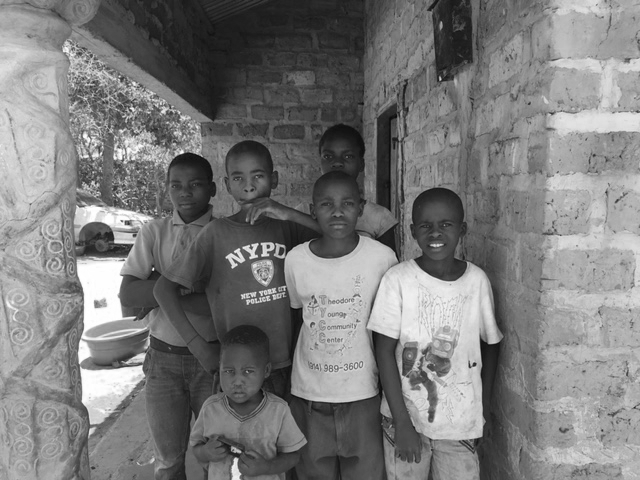
The reality is alarming—as global HIV-related deaths have declined among children and adults, adolescent deaths have increased. Approximately 1.8 million adolescents (between the ages of 10 and 19) are living with HIV/AIDS, 80% (1.4 million) of them live in Sub-Saharan Africa. This is a 28% increase since 2005. The stark reality is that adolescent HIV rates are projected to continue increasing because of population growth and stalled efforts to combat the spread of the disease.

In Zambia, adolescents face unique challenges when it comes to HIV/AIDS.  Many young people are not accessing the services they need because youth-friendly HIV services are not widely available. Testing is also not widely practiced by adolescents; fewer than 30% of them have been tested for HIV. Additional barriers are related to their access to education and health services. For example, adolescent HIV/AIDS services are combined with adult ones.  Adolescents are often too shy to show up at health clinics on days when adults are also on site to receive services.  For those who do show up at the health clinics, they end up missing a school day.  As a result, the number of adolescents receiving treatment has decreased.  There is also a lack of youth counselors and spaces in health facilities.   

Additional barriers to accessing HIV services and other services include relational and individual factors. Relational factors, such as the attitude of family and peers, serves as a determining factor in getting tested for HIV. Adolescents with high levels of social support from friends, including the ability to discuss whether or not to get tested, were more likely to obtain HIV services. The same is true of adolescents who discussed services with family and their sexual partners.

Even when adolescents are receiving antiretroviral treatment, they face barriers for treatment retention and adherence. One of the most significant barrier is fear of disclosure. Both adolescents and their families believe that one’s HIV status should be kept and treated within the home. This corresponds with reports of adolescents taking and keeping their medication in their homes to avoid being exposed as HIV positive. Social events in school and extracurricular activities tend to interfere with dosing time and results in missed medications. Adolescents also delay taking their medication for hours until they returned home or even missing their dose for the day because they slept over at a friend’s house and did not bring it because of their fear of exposure. 

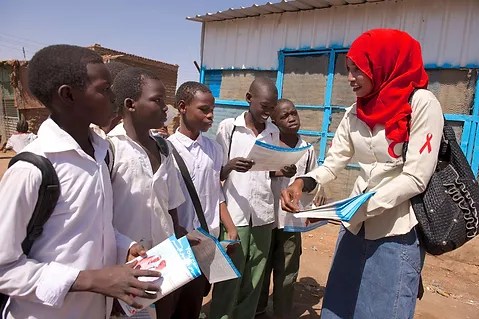
(Photo: UNICEF/SUDA2014-XX166/Noorani) 

 Zambia has undertaken initiatives to address this gap in services, stigma, and other barriers. To reduce the fear of discrimination for having or being suspected of having HIV, Zambia has started a program that provides free, confidential information to adolescents about HIV. Locate services and nearby clinics were also established. Additionally, a mentorship and support program led by other HIV-positive peers was also implemented. While there is still much work that needs to be done, Zambia has taken good steps to provide youth-friendly HIV services.