
Empower Children Now!
Kaoma Rural Hope Building Projects (Zambia)
October 20, 2017
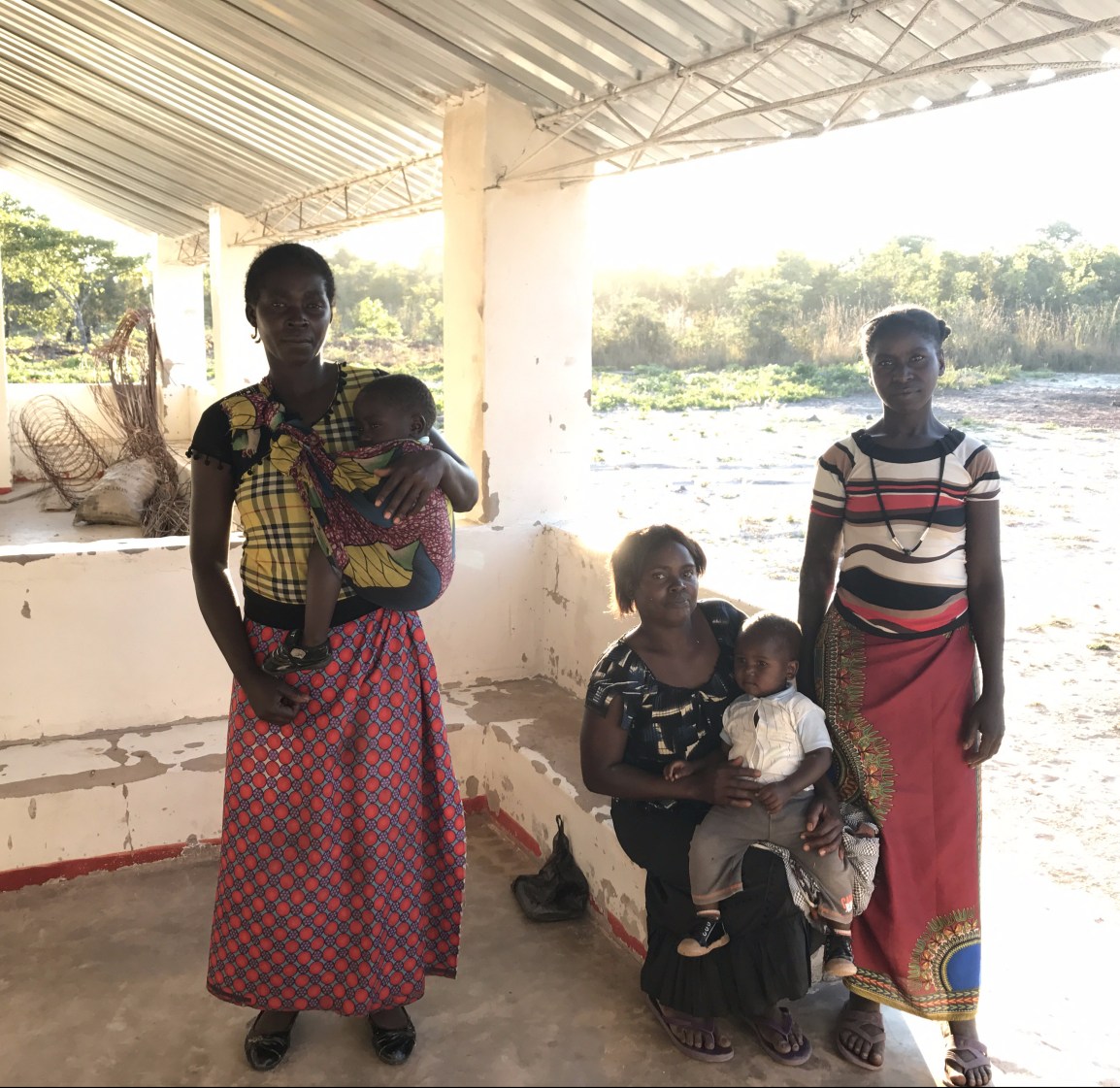
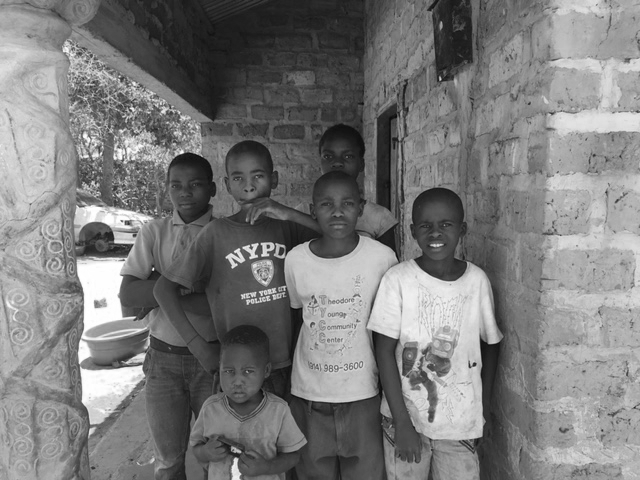
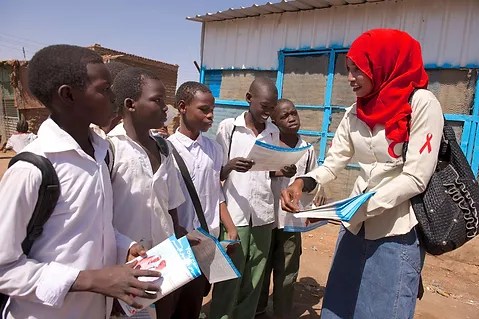
BROOKLYN, NY – The Daniel Society is pleased to announce its Empower Children Now! grant program under the Rural Children’s Initiative. This grant program will promote the health and well-being of children living with, or at risk of developing, HIV/AIDS in rural villages. The FY2017-2018 grants will be directed to rural hope building projects in Kaoma, Zambia. Sadly, less than 50% of children with HIV/AIDS in Zambia are on lifesaving treatment. For children in rural villages, the problem is even more severe. The Daniel Society is partnering with local NGOs and governments to fight the injustice of global poverty.
ELIGIBILITY
The Empower Children Now! grants shall be disbursed to qualified non-governmental organizations (NGOs) in Kaoma that are actively engaged in interventions to improve the health and well-being of children living with, or at risk of developing, HIV/AIDS in rural villages. Organizations must meet all of the below requirements:
- Registered as a Local or International NGO with the Ministry of Community Development and Social Services (Department of Registrar for NGOs);
- Operating for at least three years;
- Actively engaged in community-based projects designed to intervene in the lives of children living with, or at risk of developing, HIV/AIDS in rural villages;
- Have a dedicated executive director or manager who works full time for the organization; and
- Participate on local government and/or NGO coordination committees.
APPLICATION PROCESS
The deadline to apply for the Empower Children Now! grant is December 1, 2017. Application materials should be submitted via email to grants@danielsociety.org. The following materials are required:
1. Letter of Intent (no longer than 3 pages) – the letter should include the following information:
- Background of organization including its mission, leadership structure, types of staff positions (paid and unpaid), and location;
- Current projects;
- How funds will be used including details about the target population, number of people that will be served, communities/villages targeted, and how the organization will coordinate with local government and the NGO community;
- Other sources of funding and whether those funds will be leveraged; and
- How success will be measured
2. Proposed Project Budget (no longer than 1 page)
Approval Timeline
An Award Announcement will be issued by January 31, 2018 to organizations that have been selected by our Center for Global Initiatives’ Grant Committee. However, final approval of these grants shall be made by the Board of Directors at their March 2018 meeting. Funds shall subsequently be disbursed to the organizations for project planning and project implementation. More documentation and information may be requested from the organizations prior to the disbursement.
For more information about our work, visit us at www.danielsociety.org. If you have any questions regarding this grant announcement, contact Ms. Jennell Pascall at jpascall@danielsociety.org.
ABOUT US
The Daniel Society is a 501(c)(3) Brooklyn-based organization that has designed smart and compassionate initiatives to reduce global poverty, fight injustice and empower people to hope again.
Center for Global Initiatives
81 Prospect Street, Brooklyn, NY 11201
718.989.2161 – info@danielsociety.org
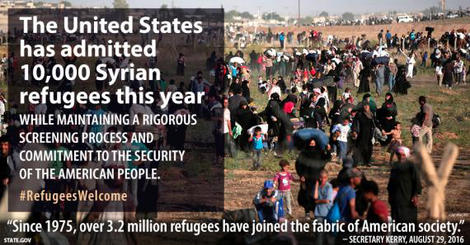
 the Obama administration seeks to increase this number by a few thousand for 2017.
 The Daniel Society