
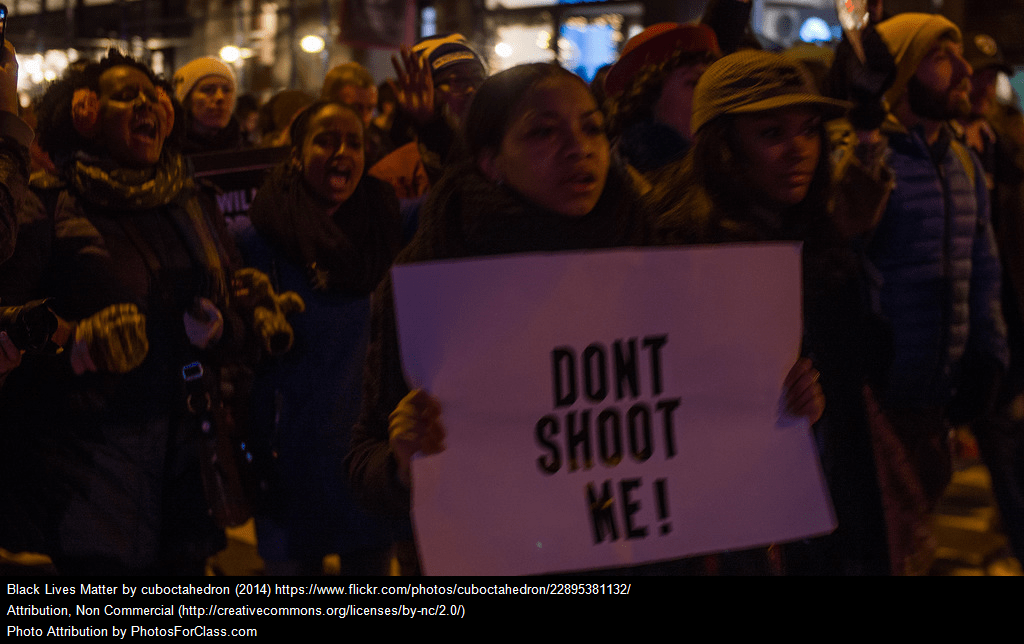
Furthermore, cutting federal funding to sanctuary cities and deporting two million people are real threats to immigrants. They are causing tremendous fear and uncertainty among the immigrant community. They also raise the question of how to ensure that the voices from these communities are included in the policymaking process. Now, more than ever, residents of these communities need to mobilize, express their shared concerns, and offer policymakers ideas for ensuring fair and compassionate outcomes.
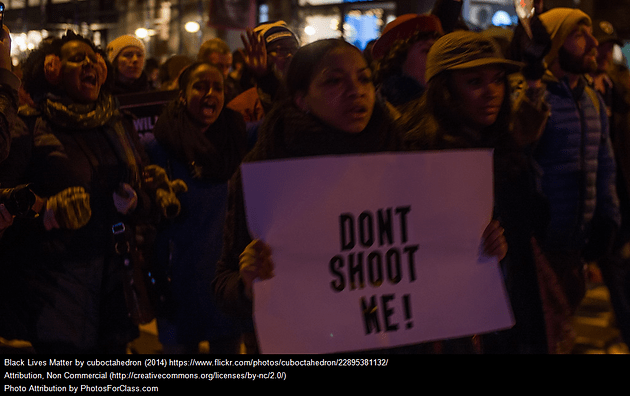
Mobilizing communities, however, is not an easy task. According to The Center for Information and Research on Civic Learning and Engagement, there is a gap in civic engagement among low-income communities. Individuals with higher income and higher educational attainment are more likely to be politically engaged. Furthermore, Hispanics and Asians are less likely to be civically engaged, even when controlling for family income and educational attainment. The civic engagement gap perpetuates the unequal distribution of political power, where political influence is often concentrated within the upper and middle class. Consequentially, the interests of low-income and immigrant communities may not be fully represented when policies that affect them are created.
To address this problem, The Daniel Society’s Center for Law and Justice (CLJ) will launch its civic engagement initiative to include more people from immigrant communities in the policymaking process.
“I recognized how often critical policy decisions are made that directly impact low-income and immigrant communities,” said La Toya McBean, president and founder of The Daniel Society. “Yet, sadly, those communities and their viewpoints were often not represented when such decisions are being made.”
To ensure that the perspectives of low-income and immigrant communities are included in the policy-making process, CLJ established its 4-step approach to civic engagement:
-
Over the next several months, the Center will facilitate several neighborhood round-tables in the Brooklyn East New York community. Each round-table will bring together 12 community residents to discuss their concerns and ideas to address racial inequality, upcoming changes to immigration laws and policies, and how their communities may better work with local law enforcement to keep communities safe.
-
From these discussions, CLJ will develop action steps for change.
-
CLJ will then advocate for these ideas on the local, state and federal level, and collaborate with advocacy organizations with a similar mission to fight injustice.
-
Finally, CLJ will stay closely connected with the communities by reporting its progress to the community to ensure that residents are kept engaged in the process.
This civic engagement initiative will empower community members with the tools and strategies to continue the civic dialogue and engage others in their neighborhood to join their call of action.
 The Daniel Society