Center for Global Initiatives’ Grant Announcement

Empower Children Now!

Kaoma Rural Hope Building Projects (Zambia)


October 20, 2017

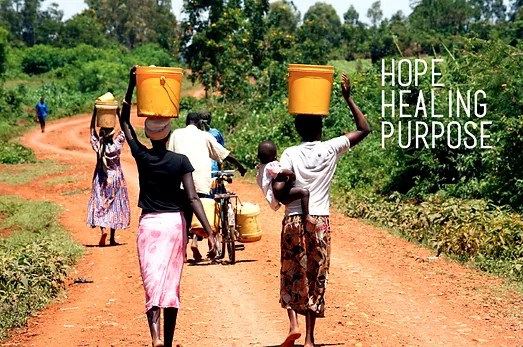
BROOKLYN, NY – The Daniel Society is pleased to announce its Empower Children Now! grant program under the Rural Children’s Initiative. This grant program will promote the health and well-being of children living with, or at risk of developing, HIV/AIDS in rural villages. The FY2017-2018 grants will be directed to rural hope building projects in Kaoma, Zambia. Sadly, less than 50% of children with HIV/AIDS in Zambia are on lifesaving treatment. For children in rural villages, the problem is even more severe. The Daniel Society is partnering with local NGOs and governments to fight the injustice of global poverty.


ELIGIBILITY 

The Empower Children Now! grants shall be disbursed to qualified non-governmental organizations (NGOs) in Kaoma that are actively engaged in interventions to improve the health and well-being of children living with, or at risk of developing, HIV/AIDS in rural villages. Organizations must meet all of the below requirements:

  1. Registered as a Local or International NGO with the Ministry of Community Development and Social Services (Department of Registrar for NGOs);
  2. Operating for at least three years;
  3. Actively engaged in community-based projects designed to intervene in the lives of children living with, or at risk of developing, HIV/AIDS in rural villages;
  4. Have a dedicated executive director or manager who works full time for the organization; and
  5. Participate on local government and/or NGO coordination committees.

APPLICATION PROCESS

The deadline to apply for the Empower Children Now! grant is December 1, 2017.  Application materials should be submitted via email to grants@danielsociety.org. The following materials are required:

1. Letter of Intent (no longer than 3 pages) – the letter should include the following information:

  • Background of organization including its mission, leadership structure, types of staff positions (paid and unpaid), and location;
  • Current projects;
  • How funds will be used including details about the target population, number of people that will be served, communities/villages targeted, and how the organization will coordinate with local government and the NGO community;
  • Other sources of funding and whether those funds will be leveraged; and
  • How success will be measured

2. Proposed Project Budget (no longer than 1 page)


Approval Timeline

An Award Announcement will be issued by January 31, 2018 to organizations that have been selected by our Center for Global Initiatives’ Grant Committee. However, final approval of these grants shall be made by the Board of Directors at their March 2018 meeting. Funds shall subsequently be disbursed to the organizations for project planning and project implementation. More documentation and information may be requested from the organizations prior to the disbursement.

For more information about our work, visit us at www.danielsociety.org. If you have any questions regarding this grant announcement, contact Ms. Jennell Pascall at jpascall@danielsociety.org.


ABOUT US

The Daniel Society is a 501(c)(3) Brooklyn-based organization that has designed smart and compassionate initiatives to reduce global poverty, fight injustice and empower people to hope again.

Center for Global Initiatives

81 Prospect Street, Brooklyn, NY 11201

718.989.2161 – info@danielsociety.org
Upcoming Zambia Trip

 The Daniel Society’s everyday humanitarians are doing their part in the global fight against extreme poverty.  Thanks to the generous support of our donors, on June 6, 2017, we will travel to Zambia to lay the groundwork for our Rural HIV/AIDS Children’s Initiative and The Daniel Society Women’s Economic Development Club.  

Sadly, less than 50% of children with HIV/AIDS in Zambia are on lifesaving treatment. For children living in rural villages in the Western Province, the problem is even more severe.  Our project will promote the health and well-being of children living with HIV/AIDS in the Western Province.

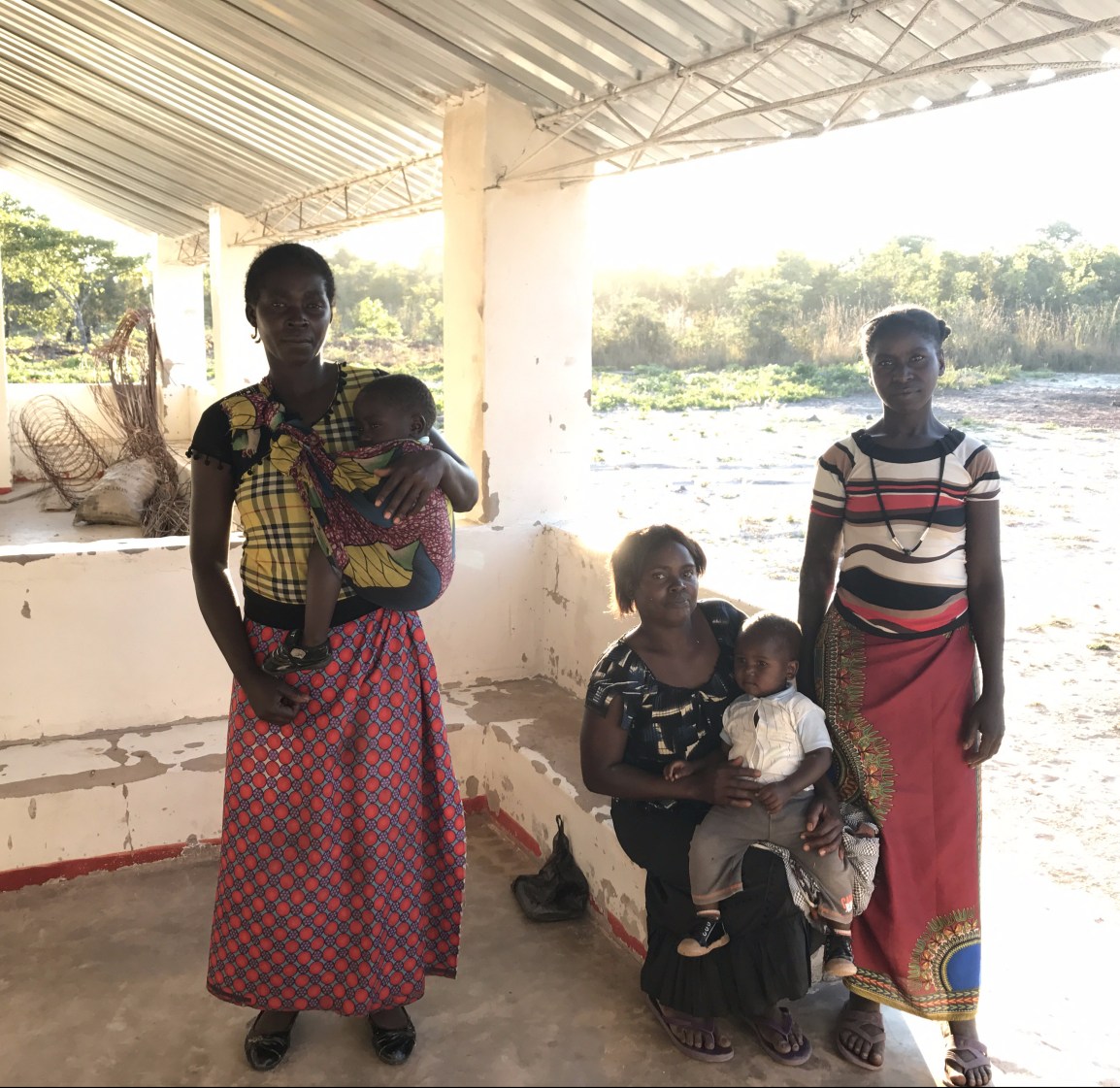
For the women of Lusoke Village in the Chongwe District of Lusaka, the cycle of extreme poverty has taken its toll on them and their families. Alcoholism, poor education and diseases are the harsh reality for their children. To break this cycle, The Daniel Society will enroll 20 to 30 women, ages 20 and above, in a Women’s Economic Development Club. The Club will provide micro-loans to women for entrepreneurial ventures and an educational savings plan for their children.

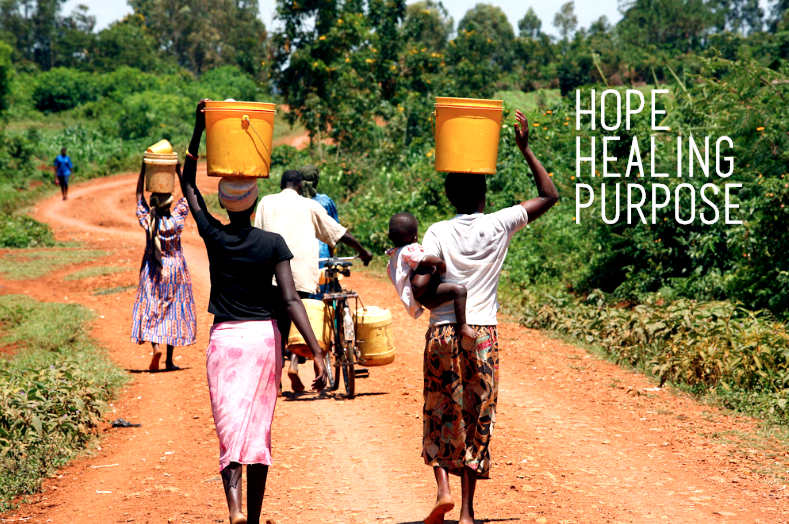
Stay connected with us during our 9-day visit to Zambia by following us on FacebookTwitter, or Instagram. Also, help us bring hope, healing and purpose to people in need by becoming a Society Member today. Make a tax deductible monthly pledge at https://www.danielsociety.org/society-member

Sub-Saharan Adolescents Are Left Behind in the Fight Against HIV/AIDS

The reality is alarming—as global HIV-related deaths have declined among children and adults, adolescent deaths have increased. Approximately 1.8 million adolescents (between the ages of 10 and 19) are living with HIV/AIDS, 80% (1.4 million) of them live in Sub-Saharan Africa. This is a 28% increase since 2005. The stark reality is that adolescent HIV rates are projected to continue increasing because of population growth and stalled efforts to combat the spread of the disease.

In Zambia, adolescents face unique challenges when it comes to HIV/AIDS.  Many young people are not accessing the services they need because youth-friendly HIV services are not widely available. Testing is also not widely practiced by adolescents; fewer than 30% of them have been tested for HIV. Additional barriers are related to their access to education and health services. For example, adolescent HIV/AIDS services are combined with adult ones.  Adolescents are often too shy to show up at health clinics on days when adults are also on site to receive services.  For those who do show up at the health clinics, they end up missing a school day.  As a result, the number of adolescents receiving treatment has decreased.  There is also a lack of youth counselors and spaces in health facilities.   

Additional barriers to accessing HIV services and other services include relational and individual factors. Relational factors, such as the attitude of family and peers, serves as a determining factor in getting tested for HIV. Adolescents with high levels of social support from friends, including the ability to discuss whether or not to get tested, were more likely to obtain HIV services. The same is true of adolescents who discussed services with family and their sexual partners.

Even when adolescents are receiving antiretroviral treatment, they face barriers for treatment retention and adherence. One of the most significant barrier is fear of disclosure. Both adolescents and their families believe that one’s HIV status should be kept and treated within the home. This corresponds with reports of adolescents taking and keeping their medication in their homes to avoid being exposed as HIV positive. Social events in school and extracurricular activities tend to interfere with dosing time and results in missed medications. Adolescents also delay taking their medication for hours until they returned home or even missing their dose for the day because they slept over at a friend’s house and did not bring it because of their fear of exposure. 

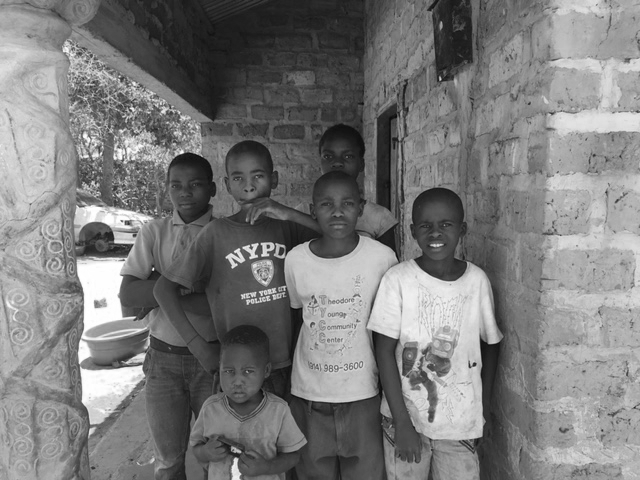
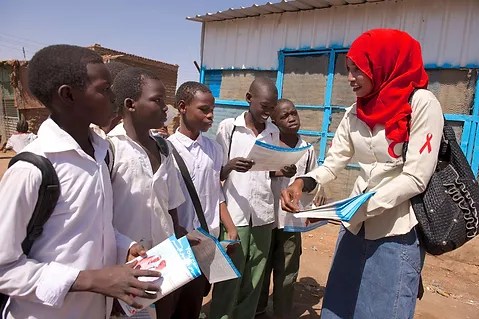
(Photo: UNICEF/SUDA2014-XX166/Noorani) 

 Zambia has undertaken initiatives to address this gap in services, stigma, and other barriers. To reduce the fear of discrimination for having or being suspected of having HIV, Zambia has started a program that provides free, confidential information to adolescents about HIV. Locate services and nearby clinics were also established. Additionally, a mentorship and support program led by other HIV-positive peers was also implemented. While there is still much work that needs to be done, Zambia has taken good steps to provide youth-friendly HIV services.


The Center for Global Initiatives Discusses HIV/AIDS and Economic Empowerment in Zambia

Earlier this month, the Center for Global Initiatives held a number of meetings in Lusaka, Zambia to discuss ideas for a global health initiative targeting people living in extreme poverty.  Our founder and president, La Toya McBean, met with local government officials, UNAIDS, research institutions, prison officials, religious leaders and families living in extreme poverty, to discuss efforts addressing the prevalence and treatment of HIV/AIDS.

HIV/AIDS-related deaths in Zambia have declined significantly, thanks to support from the United States and other countries.  During one meeting, a policymaker said “people aren’t really dying from HIV/AIDS at the same rate as before.”

On the village level, most people who are living with the disease in one high-rate village are living normal lives because they are taking antiretroviral medication and visiting the community clinic regularly for treatment.  They are also no longer afraid to talk about HIV/AIDS, which signals progress in efforts to address the cultural stigma attached to the disease.  Church leadership associations are also helping to combat the stigma by educating pastors and congregations about the disease.

 However, despite such good progress, we learned that less than 50% of children with HIV/AIDS are actually receiving treatment.  Children living in impoverished rural villages in the Western Province are particularly vulnerable and in need of lifesaving treatment.  In addition, child marriages and sexual assaults upon children contribute to the spread of the disease among children.  This is an alarming crisis and a human rights issue that must be addressed immediately.   

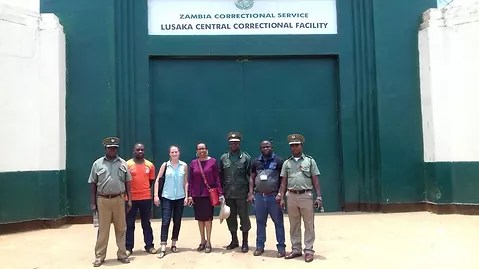
Further, with the help of Ubumi Prison Initiatives, we toured two prisons to learn more about the prevalence of HIV/AIDS in prisons.  We visited and met with officials at the Kabwe Maximum Security Prison and Lusaka Central Prison.  The deplorable conditions from massive overcrowding is a significant problem in Zambian prisons.  Such unbearable conditions foster an environment for the spread of the disease.  Youthful offenders are also at risk of contracting the disease when housed in the same cells as the adult population.

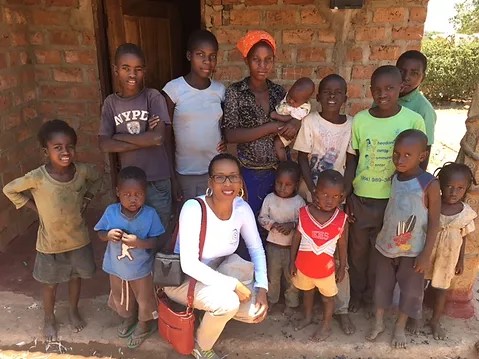
We also met with families living in extreme poverty to get their ideas about entrepreneurial projects to lift them out of poverty.  We learned that in certain villages, there is a dearth of resources to combat extreme poverty.  For example, in Lusoke Village of Chongwe District, many women and youth have no income or opportunities to move them forward in life.

 What The Daniel Society Will Do

 First, to address the pressing need and gaps in providing treatment to children living with HIV/AIDS in the impoverished Western Province, the Center for Global Initiatives will form a collaborative to launch a Rural HIV/AIDS Children’s Initiative.  Over the next few months, we will work with our Advisory Board, research team and various Zambian agencies and organizations to analyze HIV/AIDS data and the severity of the treatment gap based on geography in the Western Province.  In early spring, we will host a stakeholders meeting in Lusaka to discuss the components and goals of the initiative.  To learn more about this project, visit us at www.danielsociety.org/women-economic-development-club.

Second, the Center for Global Initiatives will develop The Daniel Society Women’s Economic Development Club of Lusoke Village to promote the economic well-being of women and families living in extreme poverty.  The Club will provide micro-loans to women for entrepreneurial pursuits and a savings plan to secure their children’s educational future.  To learn more about this project, visit us at www.danielsociety.org/hiv-aids-children-initiative.

Third, the Center for Global Initiatives will continue to have discussions with prison officials about addressing the massive overcrowding and HIV/AIDS prevalence in prisons.  We will also explore areas of research to help prison officials tackle the rate of HIV/AIDS transmission and prevalence in prisons.

Upcoming Zambia Trip to Discuss Global Health Project

Bringing healing to those living in extreme poverty in Sub-Saharan Africa is a top priority for us. This is why I will be traveling to Zambia this Saturday, October 29, to discuss ideas that will help us design an HIV/AIDS project that targets children, young women and incarcerated individuals living with HIV/AIDS. On my trip, I will meet with government officials, NGOs, advocates and people living with HIV/AIDS.

Our intent is to be incredibly effective in helping the most vulnerable people suffering, and dying, from this disease. HIV/AIDS may no longer be at the forefront of public policy in the U.S., but this remains a significant problem in Sub-Saharan Africa. In 2015, there were1.2 million people in Zambia living with HIV/AIDS—85,000 of those infected were children between the ages of 0-14; while 640,000 of those infected were women above the age of 15. In addition, Zambia was among the eight eastern and southern African countries where nearly 50% of new infections occurred. Although new infections have declined by 66% on a pediatric scale from 2010-2015, adult infections are simply not decreasing fast enough.

The Daniel Society’s Center for Global Initiatives is researching these issues and raising awareness about this lingering health crisis in Sub-Saharan Africa. During my week-long trip, I will travel to rural communities to meet with people living in extreme poverty and suffering from HIV/AIDS. Reaching out and listening to the ideas of people facing adversity is one of our core strategies. If we give them the dignity to speak, we may discover simple solutions to the most pressing challenges facing our fight against this disease (see Step 1 of our Collaborative Hope Building model).