Earlier this month, the Center for Global Initiatives held a number of meetings in Lusaka, Zambia to discuss ideas for a global health initiative targeting people living in extreme poverty. Our founder and president, La Toya McBean, met with local government officials, UNAIDS, research institutions, prison officials, religious leaders and families living in extreme poverty, to discuss efforts addressing the prevalence and treatment of HIV/AIDS.
HIV/AIDS-related deaths in Zambia have declined significantly, thanks to support from the United States and other countries. During one meeting, a policymaker said “people aren’t really dying from HIV/AIDS at the same rate as before.”
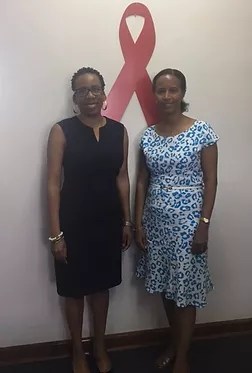
On the village level, most people who are living with the disease in one high-rate village are living normal lives because they are taking antiretroviral medication and visiting the community clinic regularly for treatment. They are also no longer afraid to talk about HIV/AIDS, which signals progress in efforts to address the cultural stigma attached to the disease. Church leadership associations are also helping to combat the stigma by educating pastors and congregations about the disease.
However, despite such good progress, we learned that less than 50% of children with HIV/AIDS are actually receiving treatment. Children living in impoverished rural villages in the Western Province are particularly vulnerable and in need of lifesaving treatment. In addition, child marriages and sexual assaults upon children contribute to the spread of the disease among children. This is an alarming crisis and a human rights issue that must be addressed immediately.
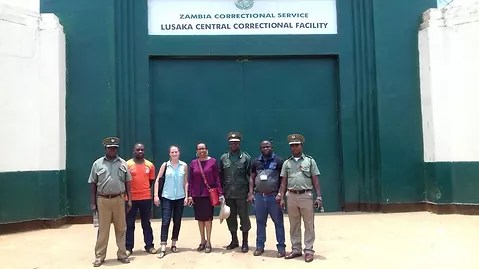
Further, with the help of Ubumi Prison Initiatives, we toured two prisons to learn more about the prevalence of HIV/AIDS in prisons. We visited and met with officials at the Kabwe Maximum Security Prison and Lusaka Central Prison. The deplorable conditions from massive overcrowding is a significant problem in Zambian prisons. Such unbearable conditions foster an environment for the spread of the disease. Youthful offenders are also at risk of contracting the disease when housed in the same cells as the adult population.
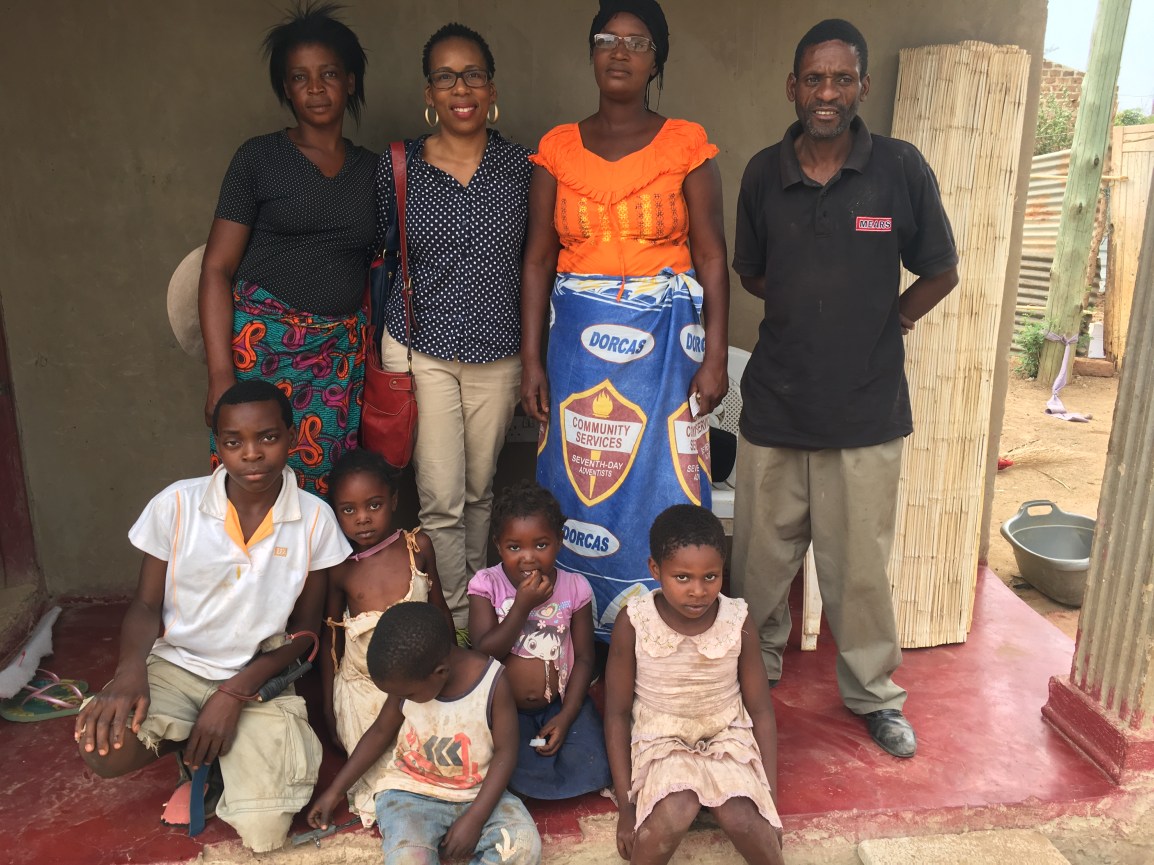
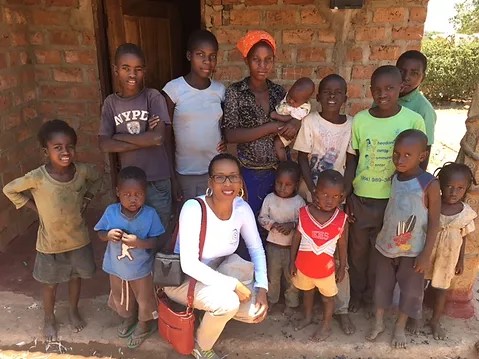
We also met with families living in extreme poverty to get their ideas about entrepreneurial projects to lift them out of poverty. We learned that in certain villages, there is a dearth of resources to combat extreme poverty. For example, in Lusoke Village of Chongwe District, many women and youth have no income or opportunities to move them forward in life.
What The Daniel Society Will Do
First, to address the pressing need and gaps in providing treatment to children living with HIV/AIDS in the impoverished Western Province, the Center for Global Initiatives will form a collaborative to launch a Rural HIV/AIDS Children’s Initiative. Over the next few months, we will work with our Advisory Board, research team and various Zambian agencies and organizations to analyze HIV/AIDS data and the severity of the treatment gap based on geography in the Western Province. In early spring, we will host a stakeholders meeting in Lusaka to discuss the components and goals of the initiative. To learn more about this project, visit us at www.danielsociety.org/women-economic-development-club.
Second, the Center for Global Initiatives will develop The Daniel Society Women’s Economic Development Club of Lusoke Village to promote the economic well-being of women and families living in extreme poverty. The Club will provide micro-loans to women for entrepreneurial pursuits and a savings plan to secure their children’s educational future. To learn more about this project, visit us at www.danielsociety.org/hiv-aids-children-initiative.
Third, the Center for Global Initiatives will continue to have discussions with prison officials about addressing the massive overcrowding and HIV/AIDS prevalence in prisons. We will also explore areas of research to help prison officials tackle the rate of HIV/AIDS transmission and prevalence in prisons.

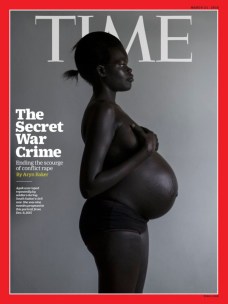 ravaging Sub-Saharan Africa. However, it was not until March 2016 that she was spurred into action after reading Time magazine’s cover story “The Secret War Crime.” The story was about conflict rape and the women and children who are victims of this heinous act. The story focuses on a young Sudanese woman, who is nine months pregnant and HIV-positive following repeated attacks. With a goal of providing support and resources to these women and individuals diagnosed with HIV/AIDS, the Society set out to create a global health program.
 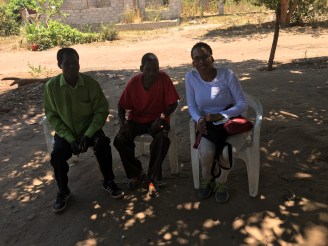 impacted them. While on their way to a village, the group got lost and ended up in Chongwe, where they were soon directed to a meeting with a local high ranking official. They told him their purpose for the trip and he directed them to the nearby Lusoke Village, where the group met with the village’s Headman and women.
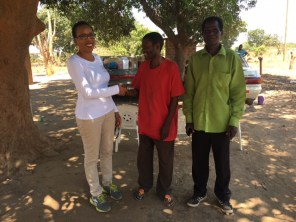 villagers themselves. Before the Society stumbled upon Lusoke Village, the people already had a vision and hope for their future. Although the Society’s initial focus was on HIV/AIDS, the people clearly presented their most pressing needs and a possible solution to the Society. Because the Society’s mission is directed by the needs of those it serves, the Society will give the women of Lusoke Village a “lift” or “boost” to realize their vision.
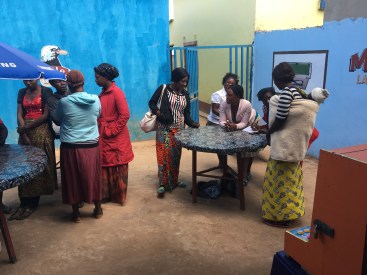 Society will provide seed capital for business micro-loans, financial literacy training, and a savings plan for school fees. Further, the Club will empower its members to become change agents in the village by reinvesting in the Club to sustain its funding level and help lift more families out of extreme poverty. The Society believes that a combination of capital and education will promote self-sufficiency, productivity, and confidence among Club members. Click here to learn more about the Club.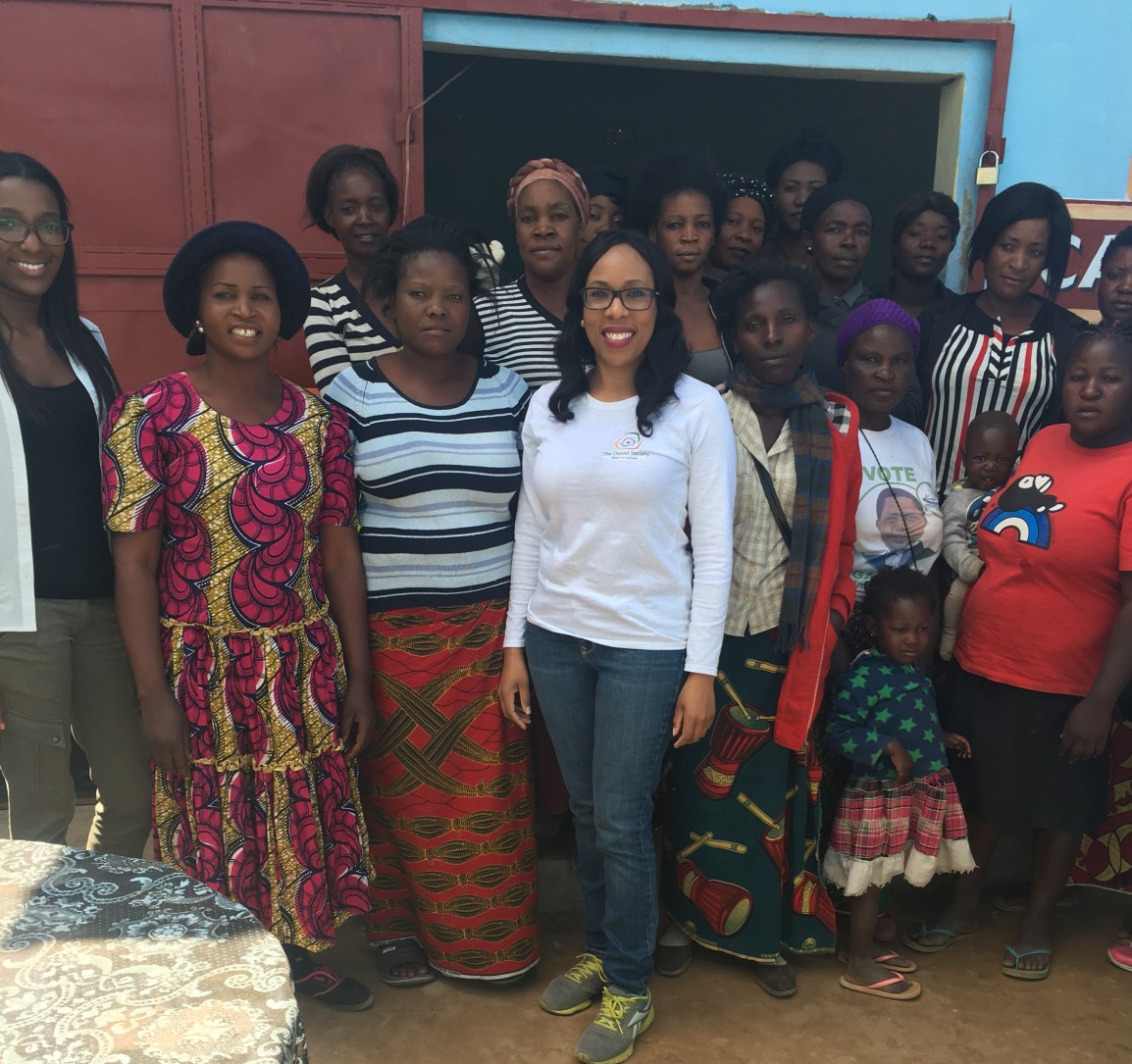
 The Daniel Society